
• Skip to main content
  • Skip to primary sidebar
Tiktok
Work With Us
Work With Us
The Humble Penny
Menu
  • Home
  • Shop
  • Books
    • THE WEALTH HABIT
    • Financial Joy
  • Courses
    • One Grand Plus
    • Take Control Bootcamp Planner
    • Make Money Monthly With Affiliate Marketing
    • Budget For Life
    • Super Simple Investing
    • FIRE Superpower
    • Rocket Your Income
    • Value Bundle
  • Coaching
    • 121 Coaching
    • Financial Freedom Coaching
    • Financial Joy Academy (FJA) Membership
    • Architect Programme
    • Financial Joy Academy (FJA) VIP
  • Workshops
  • About
    • About Us
    • Contact
  • Blog
  • Free
    • Free Courses
    • Start a Blog Tutorial
    • Best Resources
    • Books We Love
Order Now
The Humble Penny
  • Home
  • Shop
  • Books
    • THE WEALTH HABIT
    • Financial Joy
  • Courses
    • One Grand Plus
    • Take Control Bootcamp Planner
    • Make Money Monthly With Affiliate Marketing
    • Budget For Life
    • Super Simple Investing
    • FIRE Superpower
    • Rocket Your Income
    • Value Bundle
  • Coaching
    • 121 Coaching
    • Financial Freedom Coaching
    • Financial Joy Academy (FJA) Membership
    • Architect Programme
    • Financial Joy Academy (FJA) VIP
  • Workshops
  • About
    • About Us
    • Contact
  • Blog
  • Free
    • Free Courses
    • Start a Blog Tutorial
    • Best Resources
    • Books We Love
  • Home
  • Shop
  • Books
    • THE WEALTH HABIT
    • Financial Joy
  • Courses
    • One Grand Plus
    • Take Control Bootcamp Planner
    • Make Money Monthly With Affiliate Marketing
    • Budget For Life
    • Super Simple Investing
    • FIRE Superpower
    • Rocket Your Income
    • Value Bundle
  • Coaching
    • 121 Coaching
    • Financial Freedom Coaching
    • Financial Joy Academy (FJA) Membership
    • Architect Programme
    • Financial Joy Academy (FJA) VIP
  • Workshops
  • About
    • About Us
    • Contact
  • Blog
  • Free
    • Free Courses
    • Start a Blog Tutorial
    • Best Resources
    • Books We Love
  • Home
  • Shop
  • Books
    • THE WEALTH HABIT
    • Financial Joy
  • Courses
    • One Grand Plus
    • Take Control Bootcamp Planner
    • Make Money Monthly With Affiliate Marketing
    • Budget For Life
    • Super Simple Investing
    • FIRE Superpower
    • Rocket Your Income
    • Value Bundle
  • Coaching
    • 121 Coaching
    • Financial Freedom Coaching
    • Financial Joy Academy (FJA) Membership
    • Architect Programme
    • Financial Joy Academy (FJA) VIP
  • Workshops
  • About
    • About Us
    • Contact
  • Blog
  • Free
    • Free Courses
    • Start a Blog Tutorial
    • Best Resources
    • Books We Love
Pre-order Now

Should I Stop Aiming To Achieve Financial Freedom?

Should I Stop Aiming To Achieve Financial Freedom?

October 26, 2022 by The Humble Penny 3 Comments

“With rising costs of living, should I stop aiming to achieve financial freedom and focus on survival?”

This is a question that I was recently asked by one of our readers, Emily.

I get it. There's a lot going on right now.

There's the cost of living crisis led by rocketing inflation.

As a result of that, the stock markets are declining and interest rates are rising.

Everything seems to be going against the goal of trying to become financially free.

Today, I hope to convince you that aiming to achieve financial freedom or financial independence is something you should carry on doing, particularly now more than ever.

First of all, I want to say that I really understand what's going on now.

Even in our household, we still have not turned the heating on and it's the end of October.

I have a thick blanket that follows me everywhere around the house.

That's because we fully understand the urgency of the energy crisis and many of the things that are going on.

Recommended: How we're helping 10,000 people achieve Financial Independence by 2030

how to achieve financial freedom

Table of Contents

Toggle
  • Should I Stop Aiming To Achieve Financial Freedom?
  • 1. You Should Always Have a North Star Goal
  • 2. 95% Never Achieve Financially Freedom
  • 3. Short-term Thinking Cultivates Scarcity Thinking
  • 4. There Will Always Be Recessions and Wars.
  • 5. You're Getting Older and Need Money Working Early
  • 6. It Helps You To Continually Question Your Lifestyle
  • 7. In The Worst Case, It Brings You Closer to Financial Freedom
  • Conclusion
  • Frequently Asked Questions on Achieving Financial Freedom
  • What is the fastest way to achieve financial freedom?
  • What are the 7 Steps to financial freedom?
  • Is it possible to be financially free?

Should I Stop Aiming To Achieve Financial Freedom?

Today, I want to share some of the reasons why I believe you should not stop aiming for financial freedom. Here they are:

1. You Should Always Have a North Star Goal

First, you should always have a big goal that you're aiming for in your life ahead of you.

Mary and I like to call this our North Star goal.

The thing about this goal is that this should not waver, or change, no matter what's going on.

Whether you've watched the news, and it feels like the whole world is falling apart.

That goal will give you something to focus on.

Aiming for financial independence or financial freedom is one such goal that you should have in your life.

Think of it as your long-range, North star goal.

What you want to do along the way is readjust aspects of your daily life as you work towards achieving that goal.

You shouldn't give up on the goal altogether because of what's happening now in your everyday life.

It's okay for everyday life to be very challenging and that's completely understandable.

Most people are struggling right now.

But that does not mean you should give up on that goal because it gives you something that you're working towards. 

2. 95% Never Achieve Financially Freedom

Around 5% of people, 1 in 20 people become financially free over time.

Common reasons why you might expect 95% don't achieve it include:

  • Earnings – they don't earn enough,
  • Savings – they don't have a high savings rate,
  • Habits – they had poor money habits,
  • Skills – they aren't growing in their abilities,
  • Knowledge – they don't have quality information,
  • Sacrifice – they're not prepared to give up on some things.

All these are valid.

However, the answer is even simpler.

At the very top of the reasons why 95% of people never achieve financial freedom is that they never had it as a goal in the first place.

So if you want to be financially free sometime in the future, it really pays to have this as a goal that you're aiming for. 

3. Short-term Thinking Cultivates Scarcity Thinking

Thinking only short term cultivates a scarcity mindset but thinking long term cultivates an abundance mindset.

I say this because the thing about having an abundance mindset is that it helps you to explore more of your creativity.

Doing this really pushes you to solve your problems.

As such, you're always thinking about growth rather than simply protecting all that you've got.

But if you focus only on today, trying to survive and trying to stop all the fires, all you're doing is building upon a scarcity mindset.

You'll act as though things are running out or ending in your life.

When in actual fact, if you're thinking more long-term and you're working according to a plan, you are building in the room and allowing space for things to go wrong.

Long-term thinking allows you to:

  • Do some what-if scenarios
  • Use reasonable assumptions as you think about the future.

The more you operate from that perspective, the more you develop and enhance your abundance mindset and engage your creativity in helping to solve your problems. 

how to achieve financial freedom

4. There Will Always Be Recessions and Wars.

Looking back on history, it's clear that there will always be major events like recessions and wars.

I began this journey of trying to become financially independent properly in the year 2009.

We all know what happened around that time, the Global Financial Crisis of 2007 / 2008.

So in 2009, I was emerging out of that crisis with a goal that I wanted a different life for me and my wife.

In fact, Mary and I met in that year of 2009 in October.

We met with that connected mindset of wanting to change our lives and achieve financial freedom in our lives.

But the thing I've learned is that this journey of becoming financially free prepares you for the inevitable future that will be made up of wars and recessions.

They will happen and they will always keep happening.

Between 2009 and 2020 (the next recession driven by the Covid-19 Pandemic), we became financially independent.

Guess what that did for our lives?

It better prepared us for the eventual downturn and the eventual economic events that will follow, which we are experiencing right now.

So that journey of becoming financially independent, which for us included becoming mortgage free, better prepared us for the inevitable.

What I am saying here is that aiming for financial freedom and working towards it prepares you for the next inevitable economic downturn.

5. You're Getting Older and Need Money Working Early

This is stating the obvious but it's an important reminder.

Yesterday, you were younger than you are today.

You need time for your investments to get to work because investing requires compounding for growth.

So my point is if you're not prioritising financial freedom now when on earth are you actually going to do it?

The chances are, it will likely be never.

We're all living longer on average and that means we all have a necessary need for our money to last us even longer into the future.

If you're not prioritising financial freedom, then you're not going to take the steps to prioritise investing for money to grow and compound for you potentially for decades. 

6. It Helps You To Continually Question Your Lifestyle

We continue to live in a consumerist culture.

Spend some time on Instagram and you might not think that we're going through some of the most challenging times in our economic history.

As we have emerged from the Covid-19 pandemic, it has forced most of us to question what we truly want out of our lives.

Rising inflation has forced us to assess our relationship with money and better question our priorities.

Our old ways of wanting everything now rather than later is not sustainable.

Pursuing financial freedom forces us to ask the important questions that most of us run away from.

e.g. If I want to become financially free, what changes do I gradually need to make to my lifestyle today?

7. In The Worst Case, It Brings You Closer to Financial Freedom

Aiming for financial freedom in the worst-case scenario will bring you closer to financial freedom compared to where you started.

You're far more likely to, in my opinion,

  • survive future financial stresses or worries,
  • create future generational wealth,
  • and have more capacity to give or help other people.

Then there is the learning that you can pass on to your children about how they can do the same too if you have children.

Conclusion

I hope I've been able to convince you that financial freedom is something never to give up on even though you might be struggling now financially.

If anything, this more than any other time is a time to really re-assess where you are in your life.

Have another look at your finances, and reaffirm your goal and life's vision for achieving financial freedom in your life. 

You'll never regret aiming for this goal. Do make sure that you have some fun too as you work towards it.

I'd love to hear what you think in the comments below.

Feel free to check out how we're helping 10,000 people achieve financial independence by 2030.

Frequently Asked Questions on Achieving Financial Freedom

Here are some frequently asked questions to help you achieve financial freedom.

What is the fastest way to achieve financial freedom?

The fastest ways to achieve financial freedom include:

  1. Start investing in the stock market as early as possible.
  2. Increase your savings rate to over 50% and invest it consistently in stocks.
  3. Invest in income-generating assets like property using leverage.
  4. Create an online business that generates cashflow that you can invest.
  5. Work on your career and get promotions and salary increases to invest.
  6. Build a business that you can sell and make lots of money from.
  7. Move to another country with a low cost of living and earn from a high-income part of the world.
  8. Pay off your mortgage early and cut down your costs and then invest in income generating assets that pay for your lifestyle.

What are the 7 Steps to financial freedom?

Here are the steps you can follow to achieve financial freedom:

  1. Decide on financial freedom as a goal.
  2. Work out your financial freedom number.
  3. Be clear on why this goal is important to you.
  4. Work on your mindset and surround yourself with people with the same goal.
  5. Choose a strategy for achieving your goal e.g. stock marketing investing, property investing, career maximisation, starting a side business, etc.
  6. Decide on a savings rate to begin with e.g. 10% to 20%
  7. Work on simplifying your lifestyle to increase that savings rate.
  8. Invest your savings consistently, e.g. in income-generating assets such as the stocks/funds, property, etc.
  9. Keep your lifestyle simple and avoid lifestyle creep.
  10. Improve your skillset so that you can earn more, save more, and invest more.
  11. Explore creative ways to pay off your debts fast e.g. mortgage overpayments.
  12. Join a community of like-minded people on the journey who will keep you accountable.

Is it possible to be financially free?

Yes, 100%.

  1. First, it needs to be a goal that you're aiming for.
  2. You then need to start living below your means.
  3. Investing early is important for compounding to work for you.
  4. You have to improve your skills in order to earn more.
  5. Adjust your everyday life circumstances to align with your goal.
  6. Take calculated risks to earn more and invest in assets.
  7. Surround yourself with people who are aiming for this goal too.

What To Read Next To Achieve Financial Freedom:

  • Late Starter to Financial Freedom? Read This
  • 85 Easy Ways To Make Extra Money Today
  • The Not So Simple Path To Financial Independence

What To Watch Next To Achieve Financial Freedom:

Which of the points that I made really got you thinking? Jump in the comments and let's chat about it.

 

12 Unique Advantages of Setting Up a Limited Company

October 20, 2022 by The Humble Penny 0 Comments

12 Unique Advantages of Setting Up a Limited Company – Ad | This is a paid partnership with PensionBee but all words and ideas are mine.

We recently shared 10 things you should do before you start your business or your side hustle.

Today, I want to follow that up and actually talk about legal structures, particularly a limited company, and its advantages.

When you start a business, you can either start as a sole trader or a limited company.

Now, I have to admit straight away that starting as a sole trader is the easiest way to actually begin.

But starting as a limited company has some game-changing advantages, which I want to cover with you guys today.

Table of Contents

Toggle
  • What Is a Limited Company?
  •  
  • 12 Unique Advantages of a Limited Company
  • 1. Pension Contributions
  • 2. Pay Yourself Tax Efficiently
  • 3. Tax Planning
  • 4. Limited Liability
  • 5. Funding
  • 6. Name Protection
  • 7. Different Share Classes
  • 8. Succession
  • 9. Business Expenses
  • 10. Credibility
  • 11. You Can Set Up a Dormant Company
  • 12. Retain First-Time Home Buyer Status
  • What Are The Disadvantages of a Limited Company?
  • 1. It Costs Money To Run a Limited Company
  • 2. Complex Administration
  • 3. Public Record of Your Filing history
  • Conclusion

What Is a Limited Company?

A limited company is a legal entity that offers the owners a separate identity from the company itself.

This is usually known as the “veil of incorporation” as it symbolises the distinction between the company and its owners or shareholders.

As a result of having separate identities, the limited company is able to offer some unique advantages to those starting a business or a side hustle.

advantages of a limited company
Running your own business is challenging but very rewarding. Each day, I feel like I'm learning something new.


12 Unique Advantages of a Limited Company

Here are the 12 limited company advantages:

1. Pension Contributions

The first advantage of a limited company is that of company pension contributions.

If you've got a limited company, you can make employer contributions to your pension and they will generally be classified as an allowable business expense.  

You also need to have a pension scheme like a private pension set-up.

Any pension contribution from that limited company to yourself is generally treated as a tax-deductible expense.

i.e. You pay no corporation tax on that pension contribution as a business.

That's because, for a limited company, pension contributions are treated just as an expense like other costs such as marketing or advertising costs.

Employers also don't pay employers' National Insurance on pension contributions.

On top of that, because you didn't pay it to yourself as a salary, you're not incurring any income tax upfront.

That money can then be invested many years into the future and when you do come to withdraw from your pension, you get 25% of it tax-free.

This is a massive advantage of a limited company over operating as a Sole Trader.

The pension contribution is also not linked to your income.

So you can earn, say, a small salary but be able to make an employer contribution of up to £40,000 a year into a pension from your limited company.

To get started, open up a self-employed pension with PensionBee.

They can also help you to consolidate any old work pensions for free into one simple online plan.

2. Pay Yourself Tax Efficiently

Here I'm talking about how you choose to pay yourself.

With a limited company, you can pay yourself a combination of salaries and dividends.

You can take up to the tax-free personal allowance of £12,570 and the rest of the money you can pay yourself as a dividend.

Dividends are taxed at a much lower rate relative to salaries if you took that as income.

Here is how dividend tax rates compare to income tax on salary:

  • Basic Rate – 8.75% vs 20% for salary
  • Higher Rate – 33.75% vs 40% for salary
  • Additional Rate – 39.35% vs 45% for salary

This is completely legal too!

You also get a tax-free dividend amount of £2,000 per year for dividend income.

In addition, you don't pay National Insurance on dividends compared to if you'd taken that amount as salary.

To learn more about how to pay yourself tax efficiently via a combination of salaries and dividends, watch this:

3. Tax Planning

With a limited company, after paying your corporation tax, you can retain profits within your balance sheet in that business in the retained earnings section of your balance sheet.

This means that you can choose when you actually withdraw that money as dividends.

You don't have to take everything out in the current tax year.

e.g. If you maxed out your allowances this year, you can wait until the next tax year before you choose to pay yourself from that business.

This flexibility gives you the advantage of being able to plan from a tax perspective.

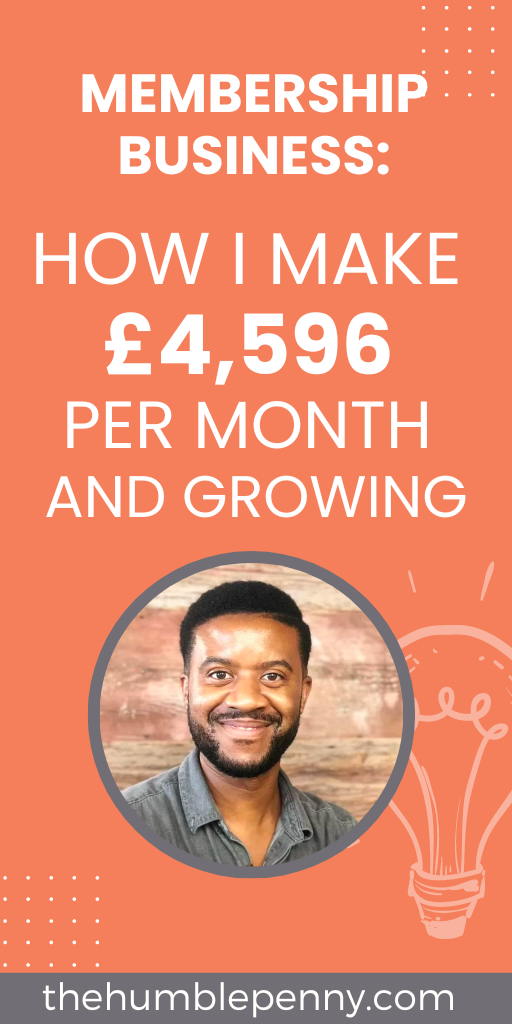
Recommended: How I make £4,596 per month from a membership business

4. Limited Liability

As mentioned before, when you have a limited company, you have two separate entities i.e. you and the limited company.

This gives you an important advantage because it protects you from personal liability against any debts the company might have.

Provided there's no fraud or anything like that involved, no one's going to come after your personal assets or come after your house.

When compared to operating as a sole trader, you don't have that advantage.

The other really important advantage related to this is that of shifting risk.

If you have money in one limited company and want to use that wealth to acquire assets, that limited company can legally lend money to another limited company.

This is usually done via an arm's-length loan agreement and that money can then be used by the other limited company (e.g. a holding company) to invest in assets such as property.

This way you're diversifying into other assets whilst also reducing your risk.

Please seek advice from an accountant and tax adviser and make sure that everything you do is within the law.

5. Funding

Raising money for business purposes can be pretty difficult if you are an individual.

But if you've got a limited company, because you've got that separate legal entity, it's a lot easier for you to get funding for your business.

This is also a reason why a lot of people choose limited companies as a way for them to invest in property.

They can create a business case for investing in property and thereby present that to the bank to obtain a mortgage for property investment purposes.

Overall, funding becomes easier compared to if you were doing this by yourself as a sole trader because that limited company has a distinct legal entity of its own.

6. Name Protection

If you've got a limited company and you've got a name that you registered at Companies House, that name is actually protected by law.

i.e. Nobody else can use it provided when you registered it, no one else was using that name in the first place.

However, if you operate it as a sole trader and name your business, somebody else could actually go ahead and register that name as a limited company.

advantages of a limited company

7. Different Share Classes

The advantage here is that you can create different share classes.

These are known as ‘Alphabet' shares and can be set up as A-Shares, B-Shares, C-Shares, etc.

But why bother?

With different share classes, you can have different people have different ownership rights of a limited company.

One advantage is that people can easily sell their stake or transfer it to somebody else if there was ever a need to do that.

Another important reason for people who go into business as partners or husband and wife with a 50:50 share.

Provided they both work properly in the business and are both fee earners, you can create two different share classes with different rights.

Doing this could help with declaring dividends at different times, for example, if there was ever a need to do so.

But it's worth noting that you must make sure that the admin setup for this is done properly with an accountant and that everything is according to the law.

Recommended: 50 Best Side Hustle Ideas UK

8. Succession

With life, anything can happen. People can pass away or move on from businesses.

Having a limited company in such situations usually gives you much more flexibility.

It's a lot easier to transfer ownership in the event that one of those things happens.

Again, this is another reason why some people choose to invest in certain assets in a limited company structure.

E.g. It's much easier for them to pass on those assets to their children potentially.

Another advantage tied to this is that you can actually pay for life cover for employees or for directors of a limited company directly from the limited company itself.

9. Business Expenses

This is one of the most popular reasons for using a limited company.

You can deduct allowable expenses incurred for your business provided it's wholly and exclusively for the purposes of your business.

Doing this reduces the profit that you made that becomes subject to corporation tax.

This is important because it means you're in effect giving yourself a refund when you incur business expenses.

All of this is completely legal of course and you can even see a list on the government's website.

You should also consider seeking independent advice from a qualified accountant. 

Watch the video below for more on taxes and examples of allowable expenses for your business:

10. Credibility

You get so much more credibility if you run a limited company compared to if you just ran the business as a sole trader.

Nothing wrong with running as a sole trader, of course.

It even goes up a notch when you run a limited company and you are registered for VAT, which you can do voluntarily.

That credibility comes from speaking with banks, other lenders, potential shareholders, customers, etc.

People take you so much more seriously because they can see it is a legal entity in operation as a limited company.

11. You Can Set Up a Dormant Company

If you have an idea for your business or side hustle and a great name but not yet ready to start, you can set up a dormant company.

“Dormant” means that your business has no material accounting transactions during the year.

Setting the company up means that you protect the name from someone else using it whilst you explore your business idea further.

12. Retain First-Time Home Buyer Status

You can use a limited company as a first-time buyer to buy a property for investment purposes and still retain your first-time buyer status.

I bring this up because many people struggle to decide whether they should buy their first home or buy an investment property first.

It's worth noting that although it is possible to get a mortgage via a limited company without owning your own home first, it is a lot harder.

What Are The Disadvantages of a Limited Company?

There are also disadvantages to starting with a limited company but the advantages far outweigh the disadvantages.

1. It Costs Money To Run a Limited Company

There is a lot of admin to running a limited company and this takes time and costs money.

If you're starting a business and your goal is to make over £50,000 per annum, then a limited company structure is one that could work in your favour.

2. Complex Administration

When you compare the admin of a limited company to a sole trader, the former is more involved and complex.

A sole trader only needs to produce a set of accounts and file a tax return annually and pay the tax due.

For limited companies, there is much more to do including:

  • Notify Companies House of any changes to your company as they occur,
  • File accounts even if your company is dormant or not trading,
  • Submit a ‘Confirmation Statement' annually with Companies House
  • File annual accounts with HMRC and submit a corporation tax computation.

Note that you have to do this for each limited company that you run and the costs can start to add up.

So your business activities have to be worthwhile enough to cover these costs.

You can of course outsource all this to an accountant, which is recommended.

Expect to pay typically £800 to £1,500 per year to have these admin tasks done by an accountant.

3. Public Record of Your Filing history

As a director of a limited company, information about you and your business is available easily online to view or download.

People can see your history as a director and can even see your financial accounts, etc.

Recommended: Get Coaching to Start Your Side Hustle or Business

Conclusion

Starting a business as a limited company can seem daunting but a lot of the disadvantages can be managed or outsourced.

The key thing is to focus on starting a business that you'll enjoy running whilst adding value to others and earning more in the process.

What questions do you have about starting a business as a limited company? Please comment below.

What To Read Next:

  • Open a Self Employed Pension With PensionBee
  • Pensions Explained UK: Ultimate Guide For Beginners
  • How To Start a Business UK: 10-Step Guide

What To Watch Next: 

Risk warning

As always with investments, your capital is at risk. The value of your investment can go down as well as up, and you may get back less than you invest. This information should not be regarded as financial advice.


Membership Business: How I Make £4,596 Per Month and Growing

October 3, 2022 by The Humble Penny 8 Comments

Membership Business: How I Make £4,596 Per Month and Growing

One thing I absolutely love doing is teaching people how to start their own businesses or side hustles.

But rather than just teaching, one thing I've started doing lately is working with them hand in hand to actually build their businesses from scratch.

Today we're going to explore a side hustle case study of how I helped someone go from zero to create a Membership Business paying them £4,596 per month in 12 weeks.

The goal is to help you:

  • Build i.e. turn your specialised knowledge or expertise into a membership business,
  • Multiply i.e. give you multiple income streams by others paying you monthly,
  • Invest i.e. teach you to invest your profits tax efficiently and make money work on money.

If you're interested in building your own membership business, book a free call with me for the Architect Programme.

👉🏽 Our next cohort of only 12 people starts on 17th September 2024 for 12 weeks.

This will help you launch your new business in January 2025. Don't miss it.

We also recently created a Free 5-day ‘Start Your Membership Challenge' for those who want to discover and clarify their membership ideas.

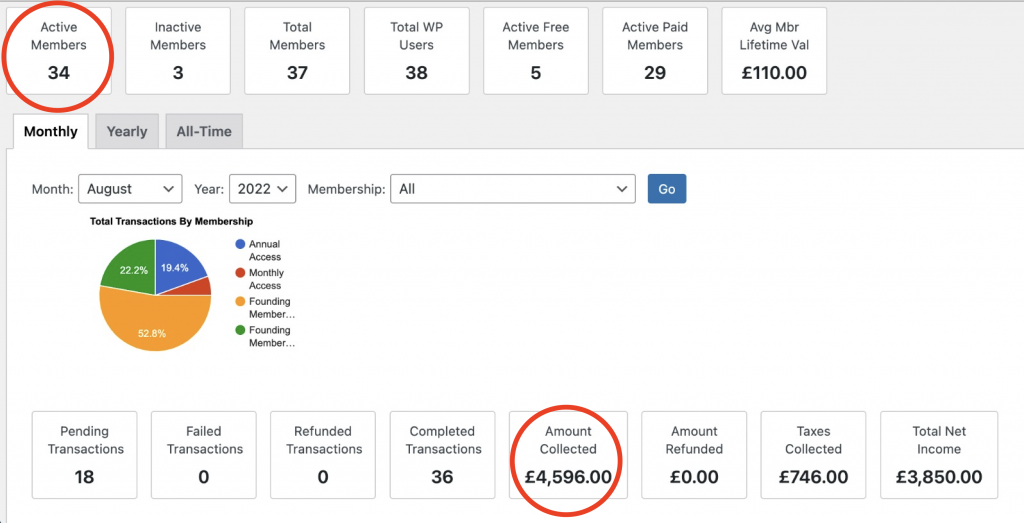
Back to the case study, here is the result that we achieved in 12 weeks from zero:

membership business

Before we get into the case study, let us look at common questions about memberships.

Table of Contents

Toggle
  • 1. What is a Membership Business?
  • 2. Why Are Membership Websites Attractive?
  • 3. How Do I Start a Successful Membership Site?
  • 4. Membership Business Owner Case Study
  • 5. Conclusion
  • 6. Frequently Asked Questions about a Membership Business
  • How Do I Set Up a Membership Business?
  • Are Membership Sites Profitable?
  • How Do Memberships Help a Business?

1. What is a Membership Business?

A membership business is one where people pay you a small recurring amount monthly to access your knowledge or expertise.

Membership sites offer various things for a small monthly amount.

e.g. Courses, community, accountability, expert masterclasses, group coaching, events, etc.

2. Why Are Membership Websites Attractive?

They're attractive because they're cost-effective and sustainable.

There is demand as more and more people are online seeking communities of like-minded people.

They're scalable and tend to be very profitable as they grow.

In addition, they can be run from anywhere in the world and attract global customers.

Finally, anyone can start one with their existing skills and expertise and run it from home.

There is literally a membership business in every niche you can imagine.

3. How Do I Start a Successful Membership Site?

You can start a membership business all by yourself if you want.

Here are 10 steps you can follow to create a successful membership site:

  • Be clear on your membership idea and niche.
  • Decide on who it's for and what problem it solves.
  • Validate your membership idea for demand.
  • Create a waitlist for your membership site.
  • Decide on what you'll offer inside the membership.
  • Do research on your pricing and positioning.
  • Choose your membership tech and start building it.
  • Start creating your membership site content.
  • Decide on a launch strategy.
  • Launch your membership business and community.

The alternative to doing it yourself is to get coaching from those who have experience in creating successful membership websites.

membership business

4. Membership Business Owner Case Study

Below is a case study of Andy Ayim, whom I helped to build his membership business at Angel Investing School (AIS).

I coached him as part of our Architect Programme.

He launched with 34 paying members and earns £4,596 per month and growing.

For some background, Andy started AIS as a side hustle.

He is a married dad of 1 and wants to create a lifestyle where he has flexibility for family life, fun and travels.

The membership aspect of his side hustle that we created together is designed to help him replace his full-time job and give him the flexibility he wants.

I've put this in conversation format so that it can flow naturally. Enjoy 😀.

Ken and Mary:

Please share with our audience, what is your membership business about?

Andy:

I'm so proud and privileged to be here and I thoroughly enjoy the programme.

So I've been looking forward to this conversation for ages.

The Angel Investing School helps to educate, equip, and empower experts, professionals and entrepreneurs to invest as little as £1000 into start-ups so that they can create wealth.

Ken and Mary:

I love that so much. There's so much purpose to what you're doing, which is why I couldn't wait to have you on board.

Do you want to just tell us what life was like before joining the Architect Programme? 

Andy:  

There's a blog that I love from Kevin Kelley called 1000 True fans.

It talks about this concept of how given the internet population is 5 billion or more, there are at least 1000 true fans for every niche in the world.

After reading that, I knew that I needed to expand my business model.

I needed to figure out a way to scale my impact and scale how I can really support others across the world.

So when you shared more about your Architect Programme, it felt so right and intuitive for me to give this a shot.

This felt like the foundational infrastructure that I've always needed and the accountability that I need to make sure that I really make progress as well.

And looking back, it was a decision well made. I'm so happy that I took that decision.

Ken and Mary:

So we've worked together for 12 weeks. What results did you get out of joining this programme?

Andy:

So first and foremost, there's power in having a peer-to-peer community and accountability.

Because there are so often times in life when we have ideas, but we struggle to execute those ideas.

And often it's because we're going it alone, and it's a lonely experience and entrepreneurship is often like that.

So I found it so nourishing and nurturing going along this journey with others that are in similar boats to me.

The second thing is because I committed financially to this path and I had you as a peer leader, I didn't want to let you down almost.

I also want to make you proud.

That external accountability helped me make progress like you always say, progress over perfection.

I wondered, how can I continue to strive to do more and deliver, and be dedicated to results.

So I knew that because I invested in myself, the best ROI I can make was to get results from going through this process.

Going through that launch experience, was really educational.

i.e. the psychology of messaging, nudging and giving people evidence and testimonials, about the results that you deliver was so powerful and impactful for me.

And I'm proud to say today that after launching less than four weeks ago, we have 34 paying members at the Angel Investing school membership,

Ken and Mary:

Woohoo! Come on 🙌🏽

And 12 weeks ago, that was zero. You've achieved this in 12 weeks.

There are many people whose 12 weeks just goes like that.

Some people are still processing their ideas. They're still like, should I do this idea or not? 

Andy:

It was 29 people for my initial launch.

People have been coming in and joining since then.

So we're now at 34, and I'm pretty confident we'll get to 40 or 50, before the end of the year.

Ken and Mary:

I'm confident you'll be hitting the hundreds the more people learn about what you're doing.

Andy:  

That's the goal. That's the aspiration.

And, you know, every week, I'm getting more and more validation from people who thought that you know, through their limiting beliefs, people like me, don't invest.

We really challenge and break down those limiting beliefs and handhold our community to let them know exactly how they can get started. 

I think that change of perception, lifting of aspirations and mindsets is what really, really builds a strong foundation for them to then go on and create wealth for themselves and their families.

Ken and Mary:

Share a bit about some of your biggest highlights on your programme. 

Andy:

One of the biggest highlights at the start was that there's a sea of niches out there.

e.g. There are membership businesses for people that love messy art, for people that love travelling to Italy, etc

It's inspiring to see that because it encourages you and validates the fact that there's a long tail of opportunity and that my idea is a valid and valuable idea too.

I think that sense of belief upfront is so important to keep you motivated and to know that there are others like you that are already doing this.

For someone that's born in the UK like me, I feel like people in the US are ahead and market themselves to the world.

So they will naturally get onto ideas like this.

Whereas in the UK, I feel like it is a bit of a shift in mindset of selling our services and skills and packaging it in this way.

The other big misconception that initially many people on the programme had was that you don't realise that everyone has knowledge that other people will pay for.

The idea that you have to be an expert or at this level of mastery, or have a certificate or qualification is a fallacy.

Expertise is really linear.

The student is always a teacher and the teacher is always the student.

So in certain rooms, I'm soaking up knowledge and learning like in this Architect Programme.

In other rooms, like in my membership, I'm the teacher.

People value that I'm only two or three steps ahead of them.

They value that I'm not a millionaire and I haven't exited a business and made millions.

And they value that they can relate to my journey and who I am.

There's power in everyone's story in that same way,

Ken and Mary:

This is why I'm so passionate about doing this running this Architect Programme, because I meet so many professionals who are literally sitting on gold!

They have knowledge and experience and are looking for a way to unlock that using today's technology using and the power of the internet.

This is where I believe the membership model comes in.

You're taking what you know already and the access that you have to your networks, and you're literally getting that out into the world.

But you're doing it at a price point that a lot of people can afford using the power of technology.

In addition, you're not draining yourself in a process, you're creating a business that's scalable as the cost of acquiring a customer decreases as more members join your platform.

I hope that this chat we're having will inspire many other professionals to ask themselves:

Why can I not be the person who's done what Andy's done?

Andy:  

Absolutely. And that's the right question to ask, why not?

The truth is, we've all been given God-given talents in this world.

When we tap into those talents and think beyond our job roles, there's so much in our lived experience that we could use to teach and support and nurture others.

One of the other things about this programme that for me was so powerful is that Covid over the last few years has taught us a lot about work environments.

i.e. what it means to work in an environment online and offline.

It's difficult to build a work ethic without the right environment.

When people are working at home, they may be working out of a single bedroom, or a single bed flat, and they might not have a garden.

They may feel claustrophobic or trapped.

Other people, maybe parents may feel really distracted and hard to be present with the kids and present at work at the same time.

You know, everyone talks about hard work and working hard.

But it's tough to do that unless you create the environment where that behaviour gets encouraged and nurtured more.

So being on this programme allows us to be in that environment, where we're helping each other, supporting each other, encouraging each other and sharing our progress.

This helps to inspire others to make progress.

I often use this phrase about setting the standard and nurturing people to that standard.

In groups like this, I saw my role as also doing that for others.

Even though I'm making progress, my mindset was to share the details of what I did, so that others can also make progress. 

Ken and Mary:

And what worked for you exactly.

Andy:

And what didn't work, what didn't work. Equally.

There's no failure here and both are equally valuable.

What didn't work teaches me and others what not to do next time.

And what did work is great, because it tells me what to double down and do more of going forward.

Ken and Mary:

This is what gets me so excited about this because I see this as enabling other people.

We're creating platforms that then enable others through our knowledge or experience and all the things we've acquired over time.

Andy:  

Yeah, it's all about Unlocking Potential.

Yes, I'm fully agreeing with you and I'm aligned with you there.

It's so exciting to feel like, wow, we've just unlocked potential now this person is now pursuing the life of their dreams…

or really fulfilling their potential and really being a full expression of themselves for the first time.

That's so exciting, and that's such a blessing that we're able to serve people in that way.

Ken and Mary:

Yeah, one theme that ran through and continues to run through the cohort is this theme of purpose. The fact that everyone is purpose-led.

This is so important because I feel for a lot of people, there's that sense of a lack of purpose in what people are doing. 

Andy:  

Another thing I would say to anyone that wants to join this programme, is really take the time to work on yourself.

Gain conviction over your own life and your lived experience to know the ways that you think you want to serve.

And you don't have to have a full answer, because the programme will help you get there.

You do have to have a few ideas on what that could look like and why.

Ken and Mary:

I absolutely agree with that. What do you think you learned about yourself in those 12 weeks?

Andy:

Before joining, I was paralysed by not getting started.

And without getting started, how can anything really truly happen?

By doing nothing, it had 0% chance of success.

By even just getting started and coming on the programme, I've increased that to at least 1% and that's powerful.

The other thing that I've learned about myself is that there are a lot of undervalued skills that I treated like common sense.

One of the traits that I grew up undervaluing because it wasn't a qualification was my ability to feed my curiosity with an open mindset.

When I was 21, I went backpacking in South America.

I remember my friends saying, that's not a black thing to do, you're gonna get killed.

But actually, it was that same curiosity that I used on this programme to really explore with an open mind, the ideas, the concepts, the teachings that you were sharing.

I was happy to unlearn things that I previously thought were true, in order to go on it with the spirit of learning and making progress and really lean into this experience.

I think for some people, it's hard because they hold on to things that they previously knew.

And sometimes use that as a restraint and a challenge to not even give it a try.

I had to let go of that to come on this programme from a place of humility.

And I had to put my ego aside and say that I'm coming here as a student and to give it my best.

I think my results are directly correlated to that open mindset that I had.

Ken and Mary:

That's such a powerful thing you said there about being coachable.

There are people who sign up for a coaching programme but don't actually allow themselves to be guided through the process and actually follow what works.

The programme exists because it's a repeatable process to get a very clear result over a defined period, which happens to be 12 weeks.

So, it's so good to actually hear it from you and I hope that for the people reading, it actually set off some thoughts in their minds.

Andy:

Absolutely.

Aristotle has this quote called excellence is a habit.

And I once heard Jay Z talk about patience and persistence.

This Architect Programme is literally what it says on the tin, it's architecture.

It's the framework and foundation infrastructure for building a better future for yourself. But you have to be willing to make that investment into yourself and to do the work.

If you're someone who knows that you're willing to work hard and follow through with an open mindset and continuously learn, you will execute your ideas through this programme.

It will build the foundation to build the life that you want in the future.

And I'm not saying that as someone who's just a fan of The Humble Penny, or a friend of Ken and Mary.

I'm saying that as someone who has gone through the programme and has already started to see results.

In a year's time, I'll probably have the same conversation with you both and I'm very confident that I would have elevated the membership to another place.

So if you're someone that values, community, learning alongside others, and is willing to have an open mindset, you're gonna get so much value.

You'll execute on the idea you've always had in your mind, but not known how to actually bring to life.

When you hear about how much it costs to go on this programme, it's really important for you to understand that you're investing in yourself.

Life is a cost because time is something that we can never get back.

So by investing your time over these 12 weeks, the real ROI and dividend will come from the patience and persistence of following through over the next few years.

Ken and Mary:

That's powerful. Andy, that means a lot to us, as instructors of this programme.

At one stage of our lives, this programme was just a vision we had.

I want to be working with people who I'm enabling to enable other people.

So it means so much to have had you on the programme in a cohort.

I'm super proud of what we've created together and I'm cheering you from every part of the world. 

Andy:

I feel so excited by the position of responsibility that I'm now growing into.

Today, I have a lifestyle where I can drop my daughter to school, pick her up, go on vacations.

And I'm so excited about not only unlocking my future but being able to inspire others to take action and unlock their futures.

I'm so inspired and excited about how many 10s of 1000s of people, I can really unlock potential through this vehicle and really express myself in this way.

That mindset shift just means the world to me. So that's what keeps me going.

That's what keeps me motivated and so excited.

And that feeling is hard to replicate through a 9 to 5 employment or doing it for others.

I'm finally in a position where I'm a full expression of myself, I really enjoy being myself in and outside of work.

I'm leading with a purpose and a real-world cause.

Ken and Mary:

Wow, this means so much Andy.

It excites me to wake up every day knowing that we're doing what we love. Thank you.

5. Conclusion

A membership business is quite an adventure and is best suited to you if you're not just interested in it for the money.

You have to care about the outcomes of others and see it as a purpose-led business.

It will take work to get it started and about 5 hours per week to keep it running, but it will create more income than your job over time.

If you'd love to join this programme and go on this journey of turning your professional skills or specialised knowledge into a membership business, then join here.

12 weeks later, you'll emerge with a business that not only helps others but makes you recurring income each month and growing.

Remember, the next cohort starts soon and only 12 people will be accepted onto the programme.

I look forward to us working together and launching your membership business 🙂

p.s. I'd highly recommend joining the new Free 5-day ‘Start Your Membership Challenge' for those who want to discover and clarify their membership ideas.

6. Frequently Asked Questions about a Membership Business

Here are frequently asked questions about starting a membership business:

How Do I Set Up a Membership Business?

Here are 10 steps you can follow to set up your membership business:

  1. Be clear on your membership idea and niche.
  2. Decide on who it's for and what problem it solves.
  3. Validate your membership idea for demand.
  4. Create a waitlist for your membership site.
  5. Decide on what you'll offer inside the membership.
  6. Do research on your pricing and positioning.
  7. Choose your membership tech and start building it.
  8. Start creating your membership site content.
  9. Decide on a launch strategy and execute it.
  10. Launch your membership business and community.

Are Membership Sites Profitable?

Most membership sites are extremely profitable because the cost per member decreases as more members join.

The cost of the technology is also usually fixed and doesn't increase per member.

Finally, you can have members join from anywhere in the world, depending on your niche, making it not just profitable but diversified.

How Do Memberships Help a Business?

Memberships increase the valuation of a business because subscribers are better than customers.

Subscribers pay you monthly but customers pay once in a while.

This means that you can have predictable income on a monthly basis.

What to read next about a Membership Business:

  • Join the Architect Programme
  • How to Start a Business: 10-Step Guide
  • Free 5-day ‘Start Your Membership Challenge'

What to watch next about a Membership Business:


How To Start a Business UK: 10 Step Guide

September 21, 2022 by The Humble Penny 2 Comments

How To Start a Business UK: 10 Step Guide – Updated October 2022

There's no one I know today who does not either want to start a side hustle or to start their own business to make money.

Today I'm sharing 10 things that you must do before you go ahead and launch your own business.

These are absolutely critical to make sure you start off on the right footing for success.

Starting well will help you create a profitable business and achieve Financial Freedom faster.

I come from a family of entrepreneurs and I've seen businesses fail and succeed based on how well they were started.

Everything I share today will help you join the group of people who create successful businesses or side hustles.

Recommended: Earn £1,000+ per month from 5 passive online streams

how to start a business uk


Table of Contents

Toggle
  • How To Start a Business UK: 10-Step Guide
  • 1. Register Your Business As a Limited Company
  • 2. Buy a Domain Name
  • 3. Apply For a Trademark
  • 4. Open a Bank Account
  • 5. Work On Your Branding
  • 6. Create a Business Email Address
  • 7. Track Your Expenses By Bookkeeping
  • 8. Get a Registered Office Address
  • 9. Create An Effective Marketing Plan
  • 10. Register To Pay Tax With HMRC
  • Conclusion On How To Start a Business UK
  • Frequently Asked Questions On How To Start a Business UK
  • How do I start a small business UK?
  • How can I start my own business with no money?
  • How do I start a beginner business?

How To Start a Business UK: 10-Step Guide

Let's dive in now and look at 10 absolutely must-do things before you launch your own business.

1. Register Your Business As a Limited Company

Some people trade in their businesses as sole traders and carry on that way.

But I highly recommend setting up a limited company.

Especially if you're somebody who's looking to start it as a side hustle and turn it into a proper business.

A limited company is also suitable from a tax perspective if you expect to make £50,000 or more in business income.

The advantage of registering a business as a limited company is that you create a separate legal entity, one that's separate from you.

Hence why companies as are referred to as “incorporated”.

This gives you certain rights as a business owner to make sure that you are building your business properly.

If people are dealing with you and your business, then they're dealing with you properly from the perspective of a limited company.

It's also another way of ensuring that you secure your business's name.

When you get a limited company name, get it registered at Companies House.

Before that, search the Companies House register to make sure no one else is using that name.

If available, get it registered and that's the first step you should look to take to get your business started.

2. Buy a Domain Name

A lot of people start businesses without actually checking whether their preferred domain name is available for them to purchase.

Get a free domain name here and pay for cheap hosting available to only readers of The Humble Penny.

I love buying .com domain names because they are a lot more popular globally.

They just give you this feeling of a proper corporation.

You can, of course, buy a local domain, for example, a .co.uk for the UK, etc.

I typically buy .com, dot.co.uk, and a.org whenever I buy domains because it just gives me that many options and protects them.

3. Apply For a Trademark

It's important to protect your business name and/or logo by way of applying for a trademark.

Head over to the Intellectual Property Office website and do a search for the name of your business.

You can search for existing trademarks by word, phrase, or image.

A simple search will immediately tell you if there exists already somebody else who has a trademark in that particular name.

This is absolutely important that you do this even before you've launched your business.

It helps you prevent the possibility of someone else saying you're infringing or trading in a name they already trademarked.

If this happens, it can get pretty costly and stressful, so it's best to prevent that from happening.

It's a very simple process to get your trademark registered.

It takes about four months from the point at which you apply.

When you apply, you can use the trademark symbol ™ at the top of your particular business name to show it is pending approval.

Then when you get approved, you can use the symbol ® to show you have an approved and protected trademark.

You can do the trademark application yourself or use a trademark lawyer.

I used a trademark lawyer for The Humble Penny and for subsequent brands, I've done it myself.

You can also do a trademark for either the UK (or your country) or a global one. I'd suggest starting with the country of trading first.

Start with that trademark search first and get started with the process of registering your trademark before you start your business.

Note that it's not compulsory to apply for a trademark before you start.

It's just sensible to do so if you can and in addition, it makes your future business more valuable too.

Recommended: Learn From Other Like-minded Side Hustlers and Entrepreneurs

4. Open a Bank Account

You will not believe how many people just start a business without actually having set up a bank account in order for them to get paid.

One way you can do this is open a conventional bank account.

When we started, we opened one at Barclays Bank, for example.

But there are many other challenger banks like Starling bank, etc to consider.

Alternatively, if you're running an online business, I highly recommend opening an account with Stripe.

I find them to be the best from a fees/cost and service perspective.

An alternative to that is to open an account with PayPal.

Many people around the world particularly people in third-world countries have access to PayPal and use it as their preferred method of payment.

So having PayPal as an alternative payment method will help you collect payments in a variety of ways from prospective customers.

It's worth mentioning that PayPal is more expensive than Stripe from my personal experience.

You can then link these digital bank accounts to more traditional accounts and have your business cash transferred from one to the other periodically.

5. Work On Your Branding

Branding is everything, especially in a more digital age.

You can have all the ideas but if you don't get the branding right, your business is highly unlikely to take off.

By branding I mean the key elements:

  • The look and feel,
  • Key messaging,
  • Your tagline,
  • Colours
  • Fonts, etc

You want to make sure that you do not do all of this by yourself.

I recommend that you hire someone more creative who has the skills to help you bring your branding ideas to reality.

You can find a freelancer on websites like Upwork. 

As you launch your business over time, that brand development carries on as you start to see that brand interact with your ideal customers.

Over time, improve things as your business grows.

How to start a business uk

6. Create a Business Email Address

This just gives you so much legitimacy.

The easy way to create a business email address is to approach the website host provider for your business.

They typically have a personalised email address service that's usually bundled together with your website, domain, and hosting package.

I'd suggest setting up a couple of professional email addresses.

This will take you very far when you start to apply for various things online.

Particularly if you are somebody who's running an online business.

e.g. when you come to apply for various supply services or apply to open an online bank account and things like that.

You're more likely to be approved for lots of things if they can see that you are a proper business.

Recommended: Get Coaching to Start a Membership Business

7. Track Your Expenses By Bookkeeping

A lot of small business owners have absolutely no idea how much they're making and spending monthly.

That's because they do not track their income and expenses.

Many feel that it is such a technical thing, when in fact this has become so easy today, thanks to technology.

What I'm talking about here is cloud-based bookkeeping.

As I run an online business, every expense related to our business is tracked.

Everything from me spending money on the equipment that I'm using to run this blog or me buying specific clothing to film YouTube videos.

Doing this helps to separate business expenses from personal expenses.

Business expenses are those that are wholly and exclusively for business purposes.

Tracking business income and expense is also critical to understanding your business performance i.e. how profitable it is.

I use a cloud accounting software called Xero.

There are many others like QuickBooks and Sage that you can use as well.

However, I have a personal monthly experience with using Xero and it's super intuitive and simple to use.

Plus, it's made for non-accountants.

So if you're daunted by numbers, this is so easy and ideal to use.

Once set up with rules, all you're doing is using a smartphone and simply reconciling your expenses and incomes by clicking buttons on your phone.

It really is that simple and I can guarantee you this will transform your business life if you get it right from the get-go.

8. Get a Registered Office Address

You might be thinking, why do I need one of those now?

Let's use the example of an online business.

If you run an online business, you're going to be emailing subscribers and potential customers.

To do this, you absolutely need a registered email address at the bottom of every single email that you send out.

This is tied to anti-spam laws that require you to have a registered address.

You can have one by paying for a P O Box address.

However, there is a simple hack to avoid paying.

If you've got a supplier of services like an accountant, or a solicitor, they usually offer their offices as a Registered Office for free, provided you're a client.

This will help you save money as a new business owner.

Another reason a business address is critical is tied to when you start to apply for things as a business.

They will ask you, what your Registered Office address is.

In fact, everything you apply for pretty much will want to know that you're a legitimate business e.g. opening a business bank account.

In many cases, that particular address will be checked to make sure that it's a legitimate address.

It goes without saying, do not use your personal home address as your registered office address as it could end up on the internet.

Recommended: 8 Best Online Business Models To Explore

9. Create An Effective Marketing Plan

In today's world, there is no way you can achieve success in business without an effective marketing plan.

A marketing plan is your intention for how you're going to market your business, products, and services to your ideal customer.

I.e. what sort of marketing methods or channels will you use?

Will you be promoting it via your organic content vs paid ads?

Or will you be writing blog posts? Creating YouTube videos?

You need to choose one preferred method and focus on it.

The method you choose will need to depend on where your ideal customer congregates.

I suggest creating a simplistic marketing plan on a sheet of A4 with a focus on knowing what your intended marketing plan is.

Then as you launch that business, you start to see that marketing plan get to work.

You can gradually start to tweak it depending on what you see as effective ways for you to market your business on an ongoing basis.

But having that marketing plan right at the very beginning will set you apart from many people who start with absolutely no clue how to attract customers.

Recommended: Start Your Business in 7-Days With This Business Plan

10. Register To Pay Tax With HMRC

The final step is for you to register with a taxman.

When you start a business, you've got to pay business taxes.

In the UK, we refer to that as corporation tax, which is paid of profits.

You might be making losses from the start because you're incurring expenses to start your business.

However, it's very good to set yourself up for success and one way you to do that is to get your taxes right from the beginning.

Simply contact the tax office and mention to them that you've registered your business and they will send you a Unique Tax Identifier code.

This helps you to identify your business whenever you interact with a tax office and have to pay your taxes on an annual basis.

Conclusion On How To Start a Business UK

Starting your own business can feel daunting but I hope these 10 steps have helped to make it much easier for you.

If you apply all the steps that I shared, you will without a doubt find yourself starting a business in the proper way.

They'll help you to build the right foundations, put in place the right processes, systems, and controls, and prepare you for success.

Feel free to join me and other like-minded inidividual of inside of our community at Financial Joy Academy where we share all you need to create a highly successful online business.


Frequently Asked Questions On How To Start a Business UK

Here are answers to the most frequently asked questions on how to start a business in the UK:
 

How do I start a small business UK?

  1. Find a business idea.
  2. Write a one-page business plan.
  3. Test the idea for demand.
  4. Identify your ideal customer.
  5. Register as a Sole Trader or Limited Company.
  6. Pre-sell the idea to raise money.
  7. Create your product or service.
  8. Market your product or service.
  9. Open a business bank account.
  10. Create a sales system.
  11. Track income and expenses by bookkeeping
  12. Register to pay taxes.

How can I start my own business with no money?

Here are the different ways to start a business with no money.
  1. Pre-sell your value first.
  2. Barter instead of using cash.
  3. Sell items you already have to raise money.
  4. See what you can get for free on Google.
  5. Free small business grants.
  6. Social Media.
  7. See what you can borrow for free.

How do I start a beginner business?

  1. Find a business idea that already works
  2. Understand how that idea makes money
  3. Decide on how much time or money you can commit.
  4. Test the idea to see if there is demand in your area.
  5. Identify your ideal customer.
  6. Register as a Sole Trader or Limited Company.
  7. Pre-sell the idea to raise money.
  8. Create the product or service.
  9. Put together a 2-page marketing plan.
  10. Open a business bank account.
  11. Join a community of like-minded people to learn from.
  12. Create a simple sales system.
  13. Start bookkeeping
  14. Contact the tax office and register for corporation tax.
Can anyone start a business in the UK?
Yes, anyone of any nationality can start a business in the UK.
You don't need to be a UK resident or even live in the UK to start a business in the UK.
However, the company needs to be registered to a UK address and you have to pay taxes in the UK.
 
What to Read Next on How To Start a Business UK:
  • How To Start An Online Business In 7-Days
  • 50 Best Side Hustle Ideas For £1,000 a Month Extra Income
  • How To Turn Your Knowledge to Multiple Streams of Income
What To Watch Next on How To Start a Business UK:


Are you looking to start your own business? What questions do you have on how to begin or grow your business? Comment below.
 

Pensions Explained UK: Ultimate Guide For Beginners

September 17, 2022 by The Humble Penny 6 Comments

Pensions Explained UK: Ultimate Guide For Beginners – Updated October 2022 Do you find all things pensions somewhat confusing or complicated? Today we’re here to walk you through our ultimate guide to pensions in the UK. Think of this as a complete beginner’s or dummy’s guide to pensions.

Table of Contents

Toggle
  • Pensions Explained UK
  • 1. What is a Pension Plan?
  • 2. What Are The Different Types of Pensions?
  • i) State Pension
  • ii) Workplace Pension
  • iii) Personal Pension
  • 3. What Are The Advantages of Saving Into a Pension?
  • 4. What Is Salary Sacrifice? How Does It Help With Pensions?
  • 5. Should You Consolidate Your Pensions?
  • 6. What Is Your Pension Personal Allowance? 
  • 7. How Much Should You Put Into Your Pension?
  • 8. How Is a Pension Invested?
  • 9. When Can You Access Your Pension?
  • 10. Why Should You Open a Personal Pension?
  • 11. Is a Personal Pension Worth It When You’re Self-Employed?
  • 12. What Should You Look For With A Personal Pension Provider?
  • a) Choice of Funds
  • b) Fees and Charges
  • c) Minimum Monthly Contributions
  • d) Performance
  • 13. How Safe Is Your Pension?
  • 14. What About Saving In A Pension vs A Lifetime ISA?
  • 15. What Happens to Your Pension When You Retire?
  • Conclusion on Pensions Explained UK
  • Frequently Asked Questions on Pensions Explained UK
  • 1. What is a good pension amount UK?
  • 2. What are the 3 main types of pensions?
  • 3. How do pensions work in the UK?

Pensions Explained UK

We’ve put together the top questions that we usually receive and we’re going to answer them all in an easily understandable and actionable Q&A style. Our goal is for you to walk away after reading this post and feel confident about your Pensions. pensions explained uk

1. What is a Pension Plan?

This is simply a pot of cash that you (and your employer) can pay into and invest for your retirement. Most people qualify for tax relief when they pay that money in meaning that you don’t pay tax on it now. However, you’ll have to pay tax on a portion of it later, when you come to withdraw that pension as income at retirement. To get a pension, most people will automatically get one via their workplace pension given new rules. To get employer contributions, you’ll need to be part of an employer scheme and not Opt Out. If you want to choose your own Personal Pension outside of your employer's workplace pension, that’s also an option. We’ll cover more on this below. Recommended: Super Simple Investing course

2. What Are The Different Types of Pensions?

The pensions we’ll be talking about today are Defined Contribution pensions, which are what most modern workplace and personal pensions are. There’s also another kind, called Defined Benefit or ‘final salary’, which are less common so we won’t be covering those today. In the UK, there are 3 different types of pension:

i) State Pension

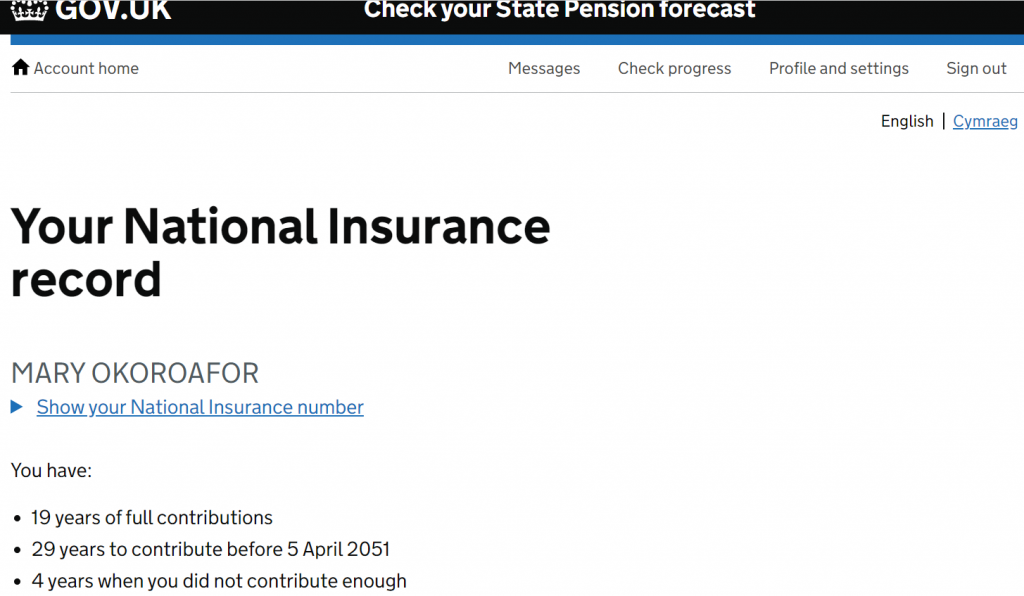
This is a regular payment paid to you by the government when you retire. The current State Pension age is 66, rising to 67 by 2028. How much of it you receive depends on you having paid a certain amount of National Insurance Contributions during your working life. To get a state pension at all, you need to have made at least 10 years’ worth of contributions. To receive the full state pension (currently at £185.15 per week), you need at least 35 years’ qualifying National Insurance contributions. You can check how far off you are from those 35 years of National Insurance contributions by visiting the government website. We did this for ourselves and here are our results. I’ve contributed about 19 years of those required 35 years so far: pensions explained uk

ii) Workplace Pension

This is a scheme usually organised by your employer for you and your employer to make contributions towards your retirement. With Auto Enrollment, employers are now required to offer pensions to their employees. They automatically enroll you onto their scheme and contribute money to your pension if you’re aged over 22, and earn more than £10,000. The current rules are that you should contribute at least 5% of your qualifying earnings and your employer contributes 3%.

iii) Personal Pension

A personal pension is also known as a private pension or Self-Invested Personal Pension (SIPP). It is a savings product that you can set up yourself to save and invest for your retirement. The amount that you get on retirement will depend on:
  • The amount you have paid in,
  • How well your investments perform.
Once you’ve opened a personal pension, you’ll be given a choice of pension funds. You can choose where your money is invested by choosing various pension funds or stocks for your money to be invested into.

3. What Are The Advantages of Saving Into a Pension?

Pension contributions attract tax relief. This means that for every £1 that you pay into a pension, the government will add a 25% top-up to your balance automatically. For example, if you add £80 to your pension, you’ll get £20 topped up automatically, giving you a total of £100. If you’re a Higher Rate Taxpayer, you can claim an additional 25% via your tax returns. And if you’re an Additional Rate Taxpayer, you can claim an additional 31%. For 2022/23 you get this tax relief up to 100% of your salary or £40,000, depending on which is lower. Another important advantage of pensions is for Inheritance Tax.  If you die before the age of 75, personal and workplace pensions usually let you pass on your pension to beneficiaries, tax-free. Also, if you die after the age of 75, your beneficiaries may pay Income Tax on anything they take out of the pension.

4. What Is Salary Sacrifice? How Does It Help With Pensions?

Salary Sacrifice is where you give up some of your monthly Pre-Tax income and your employer puts it towards your pension for you. Doing this has some interesting advantages: i) You pay less National Insurance, and your employer also pays less Employer’s National Insurance. ii) Some employers take these additional savings and make an additional contribution to their employees’ pensions. iii) You see an increase in your take-home pay as a result of paying less National insurance and less tax due to being taxed on a lower Taxable Income. iv) If you’re a Higher or Additional Rate taxpayer, Salary Sacrifice means that you won’t need to claim back the extra tax relief yourself. Also, if you’re a higher rate taxpayer earning just over £50,000 (e.g. £55,000) and you have a child that you’re claiming Child benefit for… …salary sacrifice helps you get tax relief at 40% tax into your pension. It also reduces your taxable income to below £50K and you get to keep your full Child Benefit and avoid the High Income Child Benefit Tax. v) If you’re earning between £100K and £125K, you start losing your personal allowances i.e. you lose £1 for every £2 above £100K and lose it all at around £125K. Salary Sacrifice lets you sacrifice some of your gross income into your pension. By doing that, it reduces your Taxable Income to get you below £100K and gives you back your full Personal Allowances.

5. Should You Consolidate Your Pensions?

If you have several pensions from previous employers, consolidating your pension can be a great way to stay on top of things. Benefits of consolidating your pension include:
  • Easier to manage – Having your pension in one place takes out the stress and makes it easier to manage.
  • Lower fees – You can better monitor and reduce the Admin fees and Management fees of your pension.
  • Better Performing Funds – By combining your pensions into one, you can choose a pension plan that better matches your risk appetite. By moving your pensions, you can potentially find a plan that offers a better return.
But note that consolidating your pension does not guarantee better performance. PensionBee helps you to combine your old pensions and invest them into a brand new online plan for free. You can combine your Pensions with them in 3 simple steps.
  • Sign up in minutes, for free
  • Tell them about your pensions
  • Leave the rest to them
They’ll start contacting your old pension providers. As always with investments, your capital is at risk.  Pensions Explained UK

6. What Is Your Pension Personal Allowance? 

Technically, there is no limit as to how much you can put into a pension. However, there are limits on how much Tax Relief you’ll get for doing so. There are 3 limits to be aware of tax relief purposes: i) Earnings Limit You’ll get tax relief on contributions up to your annual earnings. E.g. If you earned £25K and had £35K in savings and decided to put all £35K into your pension, you can, but will only get tax relief on the first £25K. ii) Annual Limit This limit is aimed at higher earners. You can only get tax relief up to the current annual allowance.
Current Annual Allowance = £40,000 + Any Unused Allowances In The Previous 3 Tax Years
This is very important as an investor. Let’s say that you have been investing £10K per year into a pension in the last few years. This means that you carry forward 3 X £30K (i.e. £40K less £10K) = £90K in addition to the current year’s £40K. So you could make a total contribution of £130K (£90K + £40K) into your pension. The annual allowance of £40K begins to taper (i.e. reduce) for annual earnings over £240,000. For every £2 of ‘adjusted income’ over £240K, you’d lose £1. This means that if someone earns £300K or more, that £40K annual allowance becomes £4K for tax relief purposes. iii) Lifetime Limit The current “Lifetime Allowance” is £1,073,100 and it has been frozen until 2026. This lifetime allowance means that if your total pension savings (including gains and interest) exceed this amount, you’ll pay a tax charge.
Note that this amount of £1,073,100 also includes contributions paid by others such as your employer.
You can of course contribute more than the lifetime allowance to your pension, but you’ll only get tax breaks up to this maximum limit. Recommended: Index Funds Explained UK: How To Start Invest For Beginners

7. How Much Should You Put Into Your Pension?

Given Auto Enrolment, there are now minimum contributions into pensions as mentioned before. We’d suggest contributing as much as you can to your pension. Make sure that you prioritise paying off high-interest debts first before paying any excess into your pension. Note also that a pension is not the only way to save for retirement, so you might need to combine it with other accounts. e.g. a Stocks and Shares ISA or Life Time ISA. A general rule of thumb of what percentage to contribute to your pension is to take half of the age that you started your pension. Then put this percentage of your Pre-Tax income into a pension. Let’s assume that you started a pension at age 30. Half of 30 is 15. According to this rule of thumb, take 15% of your Pre-Tax Income and put this into your pension. Note that this 15% includes your employer’s contribution. So if your employer is contributing say, 5%, then according to this example, you’d contribute the rest, being 10%. Remember: This is a rule of thumb.

8. How Is a Pension Invested?

Your pension is invested in your choice of pension funds, depending on the selection of funds offered by your chosen pension provider. The goal here is that the funds you choose should help your pension grow over time. Therefore, helping you to maximise the value of your pension so that you can get the highest income for your retirement. The funds that you choose can vary depending on your:
  • savings needs,
  • risk appetite
  • or even your values.
Whichever provider you choose, you should be able to choose funds to invest in to suit your attitude to risk, values or goals. Recommended: Super Simple Investing course 

9. When Can You Access Your Pension?

Under current rules, you can’t access the money in your pension until your 55th birthday. Note that this minimum age will be increasing to 57 by 2028, which may affect your retirement plans.

10. Why Should You Open a Personal Pension?

Unfortunately, for many people, a combination of the state pension and the savings from a workplace pension will not be enough for retirement. Especially as the cost of living continues to increase year on year. Opening a Personal pension and getting tax relief on your contributions can help to boost your future retirement income. Obviously, opening a personal pension is quite a big leap for some. So it should be done after considering your personal circumstances to make sure that you can afford to make contributions to one. Focus on getting your finances in shape first (like paying off high-interest debt and living within your means). That should help to free up cash to contribute to a personal pension. Recommended for Pensions Explained UK: Should Millennials Be Planning For Retirement Beyond 65?

11. Is a Personal Pension Worth It When You’re Self-Employed?

Even if you earn less than £10K or have spare cash that you can put towards saving for retirement monthly… Opening a personal pension can help to boost your retirement savings.
You should ideally save as much as you can into your retirement funds.
But even a small amount saved consistently can help to boost your retirement income. For example: If you can only save £50 a month over the 30 years, that’s an extra £18,000 (£50 x 12 months x 30 years) in your pension pot. That's before factoring in investment gains and tax relief you may have qualified for in that period. Every little helps! PensionBee has an option for self-employed people wanting to open a brand new pension with no existing pension(s) to transfer. There are no minimum savings amounts which means you can contribute to your pension flexibly, whenever your business allows. Another provider worth exploring is Vanguard. They are known for their low-cost products.

12. What Should You Look For With A Personal Pension Provider?

It’s important to do your research and look for a personal pension provider that suits your needs. When making a comparison, here are some things to look out for:

a) Choice of Funds

You shouldn’t necessarily just go with a provider that offers the most choice of funds. Consider a provider that has the type of funds that you need. For example, if ethical investing is important to you, make sure that this option is offered by the providers that you consider.

b) Fees and Charges

A few providers charge you an Annual Management Fee, and if you invest in certain funds, you may pay more fees. Other providers just charge you one single fee per annum, so research what works best for you and think long term. Some providers also charge you for transfers to other providers.
You should find out what those fees are before applying for a pension and compare them to other providers.
Always read the small print, as the headline fee being advertised may not be the total amount you’ll pay. Recommended: Investment Fees Explained: Complete Beginner Guide

c) Minimum Monthly Contributions

Watch out for minimums. Some providers may require a minimum annual or monthly pension contribution. If you don’t meet that, you may get charged a penalty fee.

d) Performance

It might help to consider the past investment performance of two funds in order to decide which to choose. If you’re looking at this, do make sure that you look at a wide enough range of at least 5 years of performance data. It’s worth mentioning that past performance is not a reliable indicator of future performance. Investments can go down and up over time. If you’re unsure which fund or pension to invest in, please seek independent financial advice to make the right choices to suit your personal situation.

13. How Safe Is Your Pension?

The Financial Services Compensation Scheme (FSCS) does not protect Defined Benefit (DB) pensions if they fail. Such pensions may be protected by the Pension Protection Fund (PPF). If your investments are in Defined Contribution (DC) pensions and the UK-regulated provider of the investment fails… The FSCS may pay compensation of up to £85,000 per pension scheme member. Different schemes may come with different levels of protection, so you should read through any policy documentation carefully. What if you were given bad advice? If they’re a UK-regulated adviser and gave bad advice about your pension (such as transferring it), you could be eligible to claim compensation. The FSCS may pay compensation of up to £85,000. If that adviser is still trading, you can complain to the Financial Ombudsman Service. Generally, the Financial Services Compensation Scheme (FSCS) can protect pensions that are provided by UK-regulated insurers. As long as they qualify as ‘contracts of long-term insurance’. A common example is an annuity, where you exchange the cash in your pension for a regular income from an insurance company. Where the FSCS can pay compensation, they will cover the pension at 100% with no upper cap. Learn more about what the FSCS covers by taking a look at the official FSCS website.

14. What About Saving In A Pension vs A Lifetime ISA?

In the ideal world, you can save into both to max out retirement savings. However, note that both are quite different. If you’re employed, then it would make complete sense to prioritise your workplace pension and max that out given employer contributions. Doing this is worth more than the bonus that you’d get with a Lifetime ISA. This makes even more sense if you’re a higher rate taxpayer as you get more in tax rebates given tax relief at 40%. If you’re self-employed, or you want more flexibility in your retirement savings than you have with a regular pension, then a Lifetime ISA could be a good alternative. Although note that you have a penalty for early withdrawals from a Lifetime ISA for retirement purposes. If you’re completely new to LifeTime ISAs, please watch our video below where we covered a Complete Guide to Lifetime ISAs:

15. What Happens to Your Pension When You Retire?

When you retire, you can take 25% of your pension fund value as a Tax-Free cash lump sum. The remainder of your pension pot can then be used to take an income either as:
  • An annuity
  • Drawdown i.e. taking cash directly as and when you need it, while the rest stays invested
The level of income that your pension will provide you in retirement will vary. Key drivers for this level of income will include:
  • The investment choices you made over the years
  • How the pension funds you chose performed
  • How much you put in in terms of contributions
  • And what costs you were charged by the pension provider over the years.

Conclusion on Pensions Explained UK

Saving for retirement can seem daunting and uncertain. I hope that this pensions explained UK guide has helped you to better understand pensions and improve your confidence in investing in them. If you plan to retire early, prioritise investing in your Stocks and Shares ISA first, followed by your pension. This gives you more flexibility and access to your money. Note that if you’re ever approached by anyone or a company that promises to help you access your pension before the age of 55, it is a scam and you should avoid contact. This type of scam is known as Pension Unlocking or Pension Liberation and has led to many people losing their money. So please be scam smart and protect your pension savings. Happy saving and investing!  To gain confidence about investing from a UK perspective, check out the Super Simple Investing course

Frequently Asked Questions on Pensions Explained UK

1. What is a good pension amount UK?

A good pension amount for retirement is to save around 25 times your annual living expenses. For example, if you spend £24,000 a year, then a good pension amount to aim for is £600,000. Some advisers also recommend saving 10 times your average salary during your working life by the time you retire. For example, if your average salary was £35,000, then you should save a pension pot of £350,000 as a minimum. Another popular metric is that you should save and invest at least 12.5% of your monthly salary. For example, if you earn £40,000, then you should be saving £5,000 per annum (£416.67 per month). Generally, the more you save in a pension, the more income you'll have available for retirement.

2. What are the 3 main types of pensions?

The three main types of pensions are:
  • Defined Benefit or Final Salary Pensions – This type of pension is no longer popular as employers switch to Defined Contribution pensions.
  • State Pension – This is a pension you received at state retirement aged based on your National Insurance contributions.
  • Defined Contribution Pension – This is the most common type of pension and requires ongoing contributions from an employee and employer.

3. How do pensions work in the UK?

Pensions work by a percentage of your gross (pre-tax) income being saved aside for retirement. Employers in the UK are required to contribute a minimum of 3% whilst the employee contributes a minimum of 5%. The amounts saved receive tax relief and can then be invested in the stock market in order to grow and provide an income at retirement. What To Read Next On Pensions Explained UK >>
  • How to Build a 100k Pension Pot in 5 Years
  • How To Be Pension Confident As You Create Your Dream Life
  • 8 Places Your Money Needs To Go When You Get Paid
  • Self-Employed Pensions: 9 Retirement Savings Hacks
What To Watch Next On Pensions Explained UK >> What other questions would you like us to answer for you relating to Pensions Explained UK perspective? Jump in the comments and let us know.
 

Index Funds UK Explained: How to Invest For Beginners 2026

September 6, 2022 by The Humble Penny 8 Comments

Index Funds UK Explained: How to Invest For Beginners 2026 – Updated January 2026

Index funds and ETFs provide an opportunity to grow your wealth in the UK and internationally without worry.

It's a great way to start investing as a beginner in a diversified way, without picking individual stocks.

In addition, it allows your money to be invested in a low-cost way on autopilot, giving you the market's return each year.

Everything we share today is applicable whether you're investing in the UK, US, Canada, Australia, or countries in Europe, Africa, Asia, etc.

The key is to understand the principles and apply them locally.

Recommended for beginners: Super Simple Investing course

Need 121 help because you lack confidence in investing? Book a 121 Power Hour with me.

Index Funds and ETFs: A Beginner's Guide

Index funds and ETFs are similar but have important differences.

They are both low-cost trackers with the goal of helping your money to be invested in a diversified way.

Before explaining these differences, let's take a step back and actually understand what an index is.

What Is An Index?

An index is a list, which is similar to a grocery shopping list.

However, rather than groceries, an index is a list of companies in the stock market that you can invest in.

Examples of such lists include the S&P 500, FTSE 100, FTSE 250, etc.

The S&P 500 is one of the most prestigious indexes because it is a list of the top 500 companies in the US equities market.

It's also a prestigious list because of the reputation of the company that maintains the S&P500 list i.e. S&P Dow Jones Indices.

That list is made of some of the largest tech companies in the world, hence, it has performed well historically.

In the same way as the S&P500, the FTSE100 is made up of the 100 largest companies in the UK equities market.

That list is reputable because of the companies on the list and their performance but partly because it's maintained by the FTSE Group.

What Is An Index Fund UK?

An index fund is a passive fund (a basket of companies) that tracks the performance of an index (a list of companies).

When you invest your money in an index fund, you invest it in a fund that then invests your money across the various companies on an index.

For example, if you invest £1,000 in the FTSE 100, that £1,000 is spread across the 100 companies on the index weighted by their market capitalisations.

By tracking the index, the index fund aims to deliver the same performance as the index itself.

Here is a look at the FTSE 100 Index performance over the last 5 years:

index funds uk

If you invest your money in an S&P500 Index Fund, then the goal of that fund is to get a return similar to the S&P500 index itself.

e.g. If the S&P 500 index returns 9% in a year, then you'd expect the index fund tracking the index to return around 9% if the fund tracks it closely.

Here is a look at the S&P 500 Index performance over the last 5 years:

index funds uk explained

Note that you can have both equity and bond index funds.

Index Funds vs ETFs: What Are The Differences?

Index funds and ETFs are both trackers but there are differences:

ETFs are a hybrid between a stock and a fund and so get traded like a stock daily, with the price changing many times daily.

Whereas, an index fund's price only changes once a day after all the buys and sells are collected and processed.

Index funds and ETFs also attract different fees. With ETFs, you get charged a small commission each time you buy and sell.

But with an index fund, your charge is based on the value of your assets and your fee is charged as a percentage of your assets.

In general, ETFs are more cost-effective if you're investing larger amounts compared to index funds, which are more cost-effective on smaller amounts.

What Are Examples of Index Funds?

An example of an index fund that you can invest in from the UK includes:

‘FTSE Global All Cap Index Fund' provided by Vanguard.

Notice that for an ongoing cost of 0.23% per annum, this fund invests your money across 7,200 stocks globally.

Aside from Vanguard, another reputable provider of index funds is iShares in the UK.

Things To Know Before Investing In Index Funds and ETFs

It's important to know that although index funds are low-risk investments, they're still risky.

Your investments can go down as well as up.

It's also important to know that not all index funds are equal.

Some are good at tracking the index accurately whilst some are not.

Focus on investing in low cost globally diversified index funds and ETFs.

Read the Key Investor Information Document (KIID) of the index fund before investing. 

This details the past performance, risks, cost and general information about the fund.

We cover more below on how to invest in index funds.

Recommended for beginners: Super Simple Investing course

What Are The Pros and Cons of Investing In Index Funds UK?

Here are the pros and cons of investing in index funds in the UK

Pros of Index Funds:

  • Index funds are low cost and typically cost 0.5% per annum or lower.
  • They outperform most actively managed funds.
  • You get diversification as your money is invested in lots of different companies.
  • They offer you a way to invest globally whilst living in a different country.

Cons of Index Funds:

  • They can fall in value just like stocks.
  • Index funds cannot outperform the index as they simply mimic them.
  • The index fund can achieve lower returns than the index driven by the fees of the index fund. This is called the tracking error.
  • Index funds differ in quality and can lead to significantly different levels of performance as a result.

What Is The Best Index Fund In The UK?

Some of the best index funds and ETFs accessible from the UK depend on various factors, including performance.

Examples to research further include:

1. Vanguard S&P 500 UCITS ETF (VUSA) – OCF of 0.07%, fund size of £26 billion.

2. iShares Core FTSE 100 ETF – OCF of 0.07%, fund size of £10.6 billion.

3. Vanguard FTSE All-World UCITS ETF – OCF of 0.22%, fund size of £7.3 billion.

4. Vanguard FTSE 250 UCTIS ETF – OCF of 0.10%, fund size of £1.6 billion.

There are lots more!

Note: This is not financial advice. Please do your research based on your risk appetite and goals. The value of your investments can go down and up.

The Best Low-Cost Index Funds To Buy Now

As the UK continues to face a challenging time economically, research by the FT has shows that there is an exodus of capital from UK-focused funds.

There is an increasing lack of faith in British stocks driven by the declining state of the economy, not helped by rising inflation and a weakening pound.

However, it is worth noting that the decline in funds being invested in UK stocks is not always tied to the UK economy, especially for multi-nationals.

With the above background information, I think it makes sense to keep your money invested globally.

Here are additional passive index funds to consider buying now:

1: Vanguard FTSE Developed World ex-UK Equity Index Fund – OCF of 0.14%

2: Vanguard LifeStrategy 80% Equity Index Fund – OCF of 0.22%

3: Fidelity Index World – OCF of 0.12%. This tracks the MSCI World Index.

4: Vanguard FTSE All-World UCITS ETF – OCF of 0.22%

5: Vanguard FTSE Global All Cap Index Fund – OCF of 0.23%

Again, not financial advice or a personal recommendation to you.

How to Invest in Index Funds UK

Note that the ideas below will apply if you are investing from outside the UK e.g. US, Canada, Australia, etc.

Let's say you've chosen an investment platform. How exactly do you decide what funds you're going to invest in?

Here is a step-by-step guide on how to choose index funds to invest in so you can achieve your goals.

Note that you can invest in index funds in these accounts (for UK investors):

  • Stocks and Shares ISA
  • Self-Invested Personal Pension (SIPP)
  • General Investment Account

If you're outside the UK, you'll have your local equivalent of these accounts, e.g. Roth IRA in the US, TFSA in Canada, etc.

Here are the things to consider:

1. Be Clear On Your Investment Goals

Step one is to be clear on your investment goals.

Let's say for example, that you are a 35-year-old, who is aiming to retire in 30 years from now with an investment portfolio of £750,000.

It's very clear from that what your investment goals are and how much you are aiming to achieve.

Therefore, choosing an investment fund is super important because you'd need to choose the right index funds that generate the right returns for you over time.

You're much more likely to achieve that goal in that 30-year period if you did so.

2. Decide On Income vs Growth

Next is to decide on income or growth.

I mentioned earlier the 35-year-old, who is likely to be focusing on the growth of their portfolio rather than their portfolio paying them an income.

However, you can have both if your portfolio does pay you out an income.

You ideally want to reinvest that income into your portfolio so that compounding can work for you in the long term.

So for that, you might want to focus on index funds that are accumulation rather than income or distribution.

Accumulation is where your income is reinvested automatically into your funds so that compounding can work in your favour.

Recommended: How To Choose An Investment Platform

3. Choose An Investment Strategy

Here you want to decide whether you want funds that are active in nature or passive in nature.

Active funds are ones where an investment manager is picking stocks or funds and making investment decisions on your behalf.

Whereas passive funds are our trackers by nature. So here we're talking specifically about index funds or ETFs.

Trackers are usually a lot cheaper than actively managed funds.

You can also have ready-made portfolios based on your levels of risk or interest.

4. Decide On Your Risk Appetite

Some funds show risk levels as either low risk, mid risk or higher risk, whereas some other funds show them as levels ranging from levels one to six.

So for example, levels one or two, indicate that a particular fund is made up predominantly of bonds and it's low risk.

If it's at level three or four, it indicates that it's a mid risk and that particular fund would be made up of a mix of equities and bonds.

And if the level of risk is around five or six, this indicates that this is a much higher risk fund that you're investing your money into.

That particular fund will be made up of predominantly equities.

So the asset mix asset allocation will be 100% equities.

Now the reason all this matters is that a higher risk fund usually leads to a higher reward or higher return over time.

And this matters when it comes to achieving your goals.

So choosing a fund that really matches your risk appetite is very important when you're choosing funds.

5. Check Fund Size and Age

Next is to choose fund size and age.

Here you want a fund that is of a decent size, ideally at least £100 million in terms of size.

For age, we'd say the longer the better because it gives you the opportunity to review their track record over time.

Look out for at least five to ten years of performance data.

Bear in mind that past performance is not an indicator of future performance.

If you are looking for a particular fund, or you're wondering where you find information such as the age or the size of the fund, you can find these quite easily in the fund fact sheet.

Some investment platforms also provide you with a filtering system where you're able to pick and choose funds that cover the various criteria that we are sharing with you in today's post.

6. Decide On What Region To Invest In

It's very important when you invest your money for your money to be well-diversified.

I'm talking about being diversified across different asset classes, but equally across different regions as well.

Regions you can invest your money into include:

  • Globally,
  • Asia Pacific,
  • Europe,
  • Emerging markets,
  • Japan,
  • UK,
  • USA, etc.

It's very important when you invest your money not to have local bias, but also think outside of where you currently live.

Think about the specific market you want to invest your money into.

I live in the UK and prefer to have my family's money invested globally.

And so you have that preference when you invest your money using passive trackers, for example.

You can also have funds that you invest into the exclude different areas.

So for example, you could have a fund that focuses on the Developed World but excludes an area like the UK, if you already have too much UK exposure.

7. Take a Look At Fees

The fees for investing in a fund, also known as the Ongoing Charge Figure (OCF) are usually expressed in a form of a percentage.

You'll usually get charged annually for running the fund you invest in.

Some funds actually charge you daily, but you might see the percentage expressed as an annual charge.

Investing cost money as you're paying for a service. However, what you choose to pay for that service matters and can affect the returns you generate.

The higher your fees, the less money you have working for you in the future.

So ideally you want to focus on a fund with lower fees, something around 0.something is good. e.g. 0.5% or lower.

But choosing the funds with the lowest fees should not be the only focus.

You should instead look at this from a long-term perspective and consider other factors such as the quality of service that you're getting from your platform provider.

Recommended: Investment Fees Explained

8. Review Past Performance

Past performance is good to look at because it gives you a real indication of the track record for that particular fund.

For example, has that fund delivered a good return year on year, or has it paid out a dividend on a consistent basis?

It's worth noting though, that as much as you look at the past, past performance is not a reliable indicator for future performance.

In terms of where to find information on past performance, look for this in the Fund Fact Sheet.

Alternatively, you can take a look at the Key Investor Information Documents (KIID) if you're a UK investor.

9. Check the Minimum Amount You Can Invest

Various funds have various minimum amounts that you need to meet in order to invest in them.

For example, some require a £500 minimum, whereas others require £100 a minimum for you to invest per month.

You also have platforms, which have lower minimums.

Simply check that you're happy with the minimum amount required to invest in that fund.

10. Think About Tax

The final step is to think about tax.

Make sure that you consider carefully what accounts you are investing your money in for your index funds and why.

There is a tax implication to investing money in the stock market, particularly when you come to sell your funds.

So you want to make sure that you're using the right accounts and that those accounts, whether they be your:

  • Stocks and Shares ISA
  • Self-Invested Personal Pension (SIPP)
  • General Investment Account

Make sure that those accounts can actually hold those funds having considered what the tax implications are of investing in those funds.

Conclusion on Index Funds UK

In conclusion, choosing what index funds to invest in is important because it will dictate how quickly you achieve your financial goals.

Most people who invest in funds tend to automate them and just forget about them and invest month after month.

It's very important that you follow the various steps that I have shared with you, in helping you choose the right index funds.

Aim for a maximum of around two to three index funds or ETFs when it comes to investing your money to create a simple global portfolio.

Make sure you watch out for any overlaps between these funds so you don't have funds invested in the same regions more than you want to.

In all this, enjoy investing in index funds as a UK investor and remember that it's all about having time in the market.

Feel free to check our beginner's investing course if you want to learn more via short actionable videos.

Frequently Asked Question About Index Funds UK

Here are frequently asked questions about investing in index funds UK:

1. Can you get index funds in the UK?

Yes, you can get index funds in the UK.

Simply check with your investment platform provider to see what index funds and ETFs they have on offer.

Index fund providers in the UK include Vanguard, iShares, etc.

2. What is the average return on index funds UK?

The FTSE 100 has returned an average nominal return of around 7.11% since inception.

Over the same period, RPI inflation has averaged 3.70%, implying a real return of 3.41% on the FTSE 100.

3. Can index funds lose money?

Yes, index funds can lose money as they can go down or up in value like stocks.

However, when index funds fall in value, the loss only becomes real when you sell your index funds.

If you don't sell, any losses you see are only paper losses. In general, index funds go up in value over time.

4. Are index funds tax-free UK?

Yes and No. If you invest in a tax-efficient account like a Stocks and Shares ISA, then your index funds are tax-free when you sell.

If you invest in index funds in a Pension or SIPP , then you get to see the investment grow and you get 25% of it is tax-free and 75% taxable at retirement.

Finally, if you invest via a General Investment Account, then you get taxed if your gains exceed your annual Capital Gains Tax allowance. 

5. How do you earn money from index funds?

Index funds make you money as an investor by the underlying value of the stocks they invest in going up.

You get 2 types of returns from index funds. 

The first is the ‘capital return' from the value of your investment going up.

And the second is the ‘income return' from any dividends you receive from the index funds.

Capital Return + Income Return = Total Return from index funds.

What To Read Next On Index Funds UK:

  • Book a 121 Power Hour with me
  • Recommended: Super Simple Investing course
  • How to Invest in Stocks: Step-by-Step
  • PensionBee Review: Could Pension Savings Be Simpler?
  • Best Vanguard Index Funds and ETFs to Invest In

What To Watch Next On Index Funds UK:

We would love to hear from you in the comments. What questions do you have about investing in index funds in the UK? Please share below.

 
  • « Go to Previous Page
  • Go to page 1
  • Interim pages omitted …
  • Go to page 10
  • Go to page 11
  • Go to page 12
  • Go to page 13
  • Go to page 14
  • Interim pages omitted …
  • Go to page 49
  • Go to Next Page »

Primary Sidebar

About-the-humble-penny

We are Ken and Mary Okoroafor, founders of The Humble Penny®.

Learning how to take control of our finances, grow our money and develop healthy money habits has transformed our lives since our early days as a young couple with little money having started out as immigrants. It enabled us to become mortgage-free in 7 years and also achieve Financial Independence aged 34!

Today we live purposefully to help others achieve Financial Freedom and ultimately create meaningful lives of Financial Joy.

Follow us

  • mail
  • facebook
  • twitter
  • instagram
  • youtube

Popular Posts

  • BEST SIDE HUSTLE IDEAS UK | 50 Ways to Make Extra 1000 a Month
  • 7 Guaranteed Ways On How To Make An Extra £1000 A Month (2022)
  • 12 Best Income Generating Assets for Passive Income (2022)
  • How To Prepare For a UK Recession 2022 (ACT NOW)
  • BEST VANGUARD FUNDS: ETFs and Index Funds For Financial Independence
  • How To Start An Online Business In 7-DAYS

Create a financial life you love. Subscribe via email:

Menu
  • HOME PAGE
  • About
    • About Us
  • Blog
  • Course
  • Programmes
  • Workshops
  • Free Resources
    • Free Courses
    • Start a Blog Tutorial
    • Best Resources
    • Books We Love
  • PRIVACY POLICY
  • COOKIE DISCLOSURE
  • DISCLAIMER
  • CONDITIONS OF USE
  • Contact Us
Tiktok

To help you remove money stress and achieve financial independence

logo fja

Create a financial life you love.
Subscribe via email:

Menu
  • HOME PAGE
  • About
    • About Us
  • Blog
  • Course
  • Programmes
  • Workshops
  • Free Resources
    • Free Courses
    • Start a Blog Tutorial
    • Best Resources
    • Books We Love
  • PRIVACY POLICY
  • COOKIE DISCLOSURE
  • DISCLAIMER
  • CONDITIONS OF USE
  • Contact Us
Tiktok