
• Skip to main content
  • Skip to primary sidebar
Tiktok
Work With Us
Work With Us
The Humble Penny
Menu
  • Home
  • Shop
  • Books
    • THE WEALTH HABIT
    • Financial Joy
  • Courses
    • One Grand Plus
    • Take Control Bootcamp Planner
    • Make Money Monthly With Affiliate Marketing
    • Budget For Life
    • Super Simple Investing
    • FIRE Superpower
    • Rocket Your Income
    • Value Bundle
  • Coaching
    • 121 Coaching
    • Financial Freedom Coaching
    • Financial Joy Academy (FJA) Membership
    • Architect Programme
    • Financial Joy Academy (FJA) VIP
  • Workshops
  • About
    • About Us
    • Contact
  • Blog
  • Free
    • Free Courses
    • Start a Blog Tutorial
    • Best Resources
    • Books We Love
Order Now
The Humble Penny
  • Home
  • Shop
  • Books
    • THE WEALTH HABIT
    • Financial Joy
  • Courses
    • One Grand Plus
    • Take Control Bootcamp Planner
    • Make Money Monthly With Affiliate Marketing
    • Budget For Life
    • Super Simple Investing
    • FIRE Superpower
    • Rocket Your Income
    • Value Bundle
  • Coaching
    • 121 Coaching
    • Financial Freedom Coaching
    • Financial Joy Academy (FJA) Membership
    • Architect Programme
    • Financial Joy Academy (FJA) VIP
  • Workshops
  • About
    • About Us
    • Contact
  • Blog
  • Free
    • Free Courses
    • Start a Blog Tutorial
    • Best Resources
    • Books We Love
  • Home
  • Shop
  • Books
    • THE WEALTH HABIT
    • Financial Joy
  • Courses
    • One Grand Plus
    • Take Control Bootcamp Planner
    • Make Money Monthly With Affiliate Marketing
    • Budget For Life
    • Super Simple Investing
    • FIRE Superpower
    • Rocket Your Income
    • Value Bundle
  • Coaching
    • 121 Coaching
    • Financial Freedom Coaching
    • Financial Joy Academy (FJA) Membership
    • Architect Programme
    • Financial Joy Academy (FJA) VIP
  • Workshops
  • About
    • About Us
    • Contact
  • Blog
  • Free
    • Free Courses
    • Start a Blog Tutorial
    • Best Resources
    • Books We Love
  • Home
  • Shop
  • Books
    • THE WEALTH HABIT
    • Financial Joy
  • Courses
    • One Grand Plus
    • Take Control Bootcamp Planner
    • Make Money Monthly With Affiliate Marketing
    • Budget For Life
    • Super Simple Investing
    • FIRE Superpower
    • Rocket Your Income
    • Value Bundle
  • Coaching
    • 121 Coaching
    • Financial Freedom Coaching
    • Financial Joy Academy (FJA) Membership
    • Architect Programme
    • Financial Joy Academy (FJA) VIP
  • Workshops
  • About
    • About Us
    • Contact
  • Blog
  • Free
    • Free Courses
    • Start a Blog Tutorial
    • Best Resources
    • Books We Love
Pre-order Now

Enjoy Your Life NOW While You’ve Still Got It. Here’s Why!

Enjoy Your Life NOW While You’ve Still Got It. Here’s Why!

August 17, 2024 by The Humble Penny 0 Comments

Enjoy your life now, while you've still got it 😀.

In a world where many are caught up in the relentless pursuit of wealth and possessions at all costs, it's essential to step back and reflect on what truly matters.

This post explores the importance of enjoying life now, rather than deferring happiness only to an uncertain future.

We've noticed two broad patterns with the work that we're doing here with The Humble Penny.

enjoy your life now
Visited Santorini recently and sailed the island 🙂 This excursion cost us about £300 but the experience was priceless. More about this below.

Table of Contents

Toggle
  • 💼 The Hardworking but Unfulfilled
  • 💰 The Accumulated Wealth Paradox
  • ⏳ Real-Life Examples of Life's Impermanence
  • ⚖️ The Balance Between Living and Planning
  • 🌟Enjoy Your Life Now: A Call to Live Beyond Accumulation

💼 The Hardworking but Unfulfilled

The first pattern is that people are working hard.

They're trying to make their money but a lot of times, they don't feel like they're moving very forward.

It feels like I'm still here. I'm working hard, I'm earning a decent income, but there's not very much happening in my life at all.

In fact, people are working so hard, partly to keep up with a lifestyle they already subscribed to in the past and the lifestyle they're keeping up with in the present and the future.

So there's a lot of keeping up that means that a lot of people's cost of living and way of life is very, very expensive.

Obviously, outside of things being expensive, more generally, there are a lot of lifestyle choices.

That means that because they're working so hard and continually working hard, they are not making enough time to enjoy their lives while they've still got it.

Pause, because I'm going to share some real-life examples in a minute.

💰 The Accumulated Wealth Paradox

The second pattern is people who I've seen, who've actually acquired wealth.

They've done very well, relatively speaking, however, they suffer from this fear of what they've got not being enough.

To the point where they carry on accumulating and working ever more hours to prove something to the world and keep up a particular lifestyle.

As a result, even though they're at a good place financially, they still carry on slaving away daily, to the point where they still don't enjoy their lives until potentially it becomes too late.

⏳ Real-Life Examples of Life's Impermanence

Okay, here are two real-life examples:

Last year, very sadly, and I'm still struggling with this, we lost a family member.

He was only 39 years old and we're the same age.

The weird thing about life is that you spend all these years accumulating things, and one day you die.

When you die, you leave everything you've accumulated to the people who happen to be around you.

This could be family members, the government, or somebody else, but you leave everything you've accumulated.

The weird thing is that there isn't a great deal of focus on enjoying the fruit of our labour.

Last year when I lost my sister's husband, we really struggled.

One flashback that keeps coming to my mind is that very night, a very sad day, I had to drive his very beautiful car to the home he and my sister own, because he wasn't there to drive a car back, and she couldn't drive a car back.

When someone passes away, as we know, naturally, everything is left behind, and nobody knows when this is going to happen.

But a lot of time is is we very we struggle generally with the balance between working and working, actually, enjoying the fruits of our labour.

Here's a second example:

A few weeks ago, a friend who I went to school with passed away, again around the same age as me.

He was very well accomplished. However, very sadly I saw in our class WhatsApp group that he very sadly passed away in the car.

And of course, he didn't expect he'd pass away, so he didn't get preparations in place, which meant that we all had to start to raise a bit of money to help with the burial proceedings.

I've just been thinking about this, right?

This post is really a reflection for me and hopefully, a reflection for you.

Sometimes it takes hearing something from a stranger or somebody you follow or somebody you admire or somebody who you want their lifestyle or whatever, for something to really sink in or just unlock in your mind and you go, hmm, I need to really think of my life very differently.

The purpose of my writing this post is to ask you the question: Are you truly enjoying your life?

If you think about it, chances are you've probably lived a third or maybe even half, or more than half of your life already.

This is assuming you live according to the so-called average life expectancy here in the UK, or more so in the West, more generally.

The evidence I'm seeing around me is a lot of people aren't living those averages.

Don't get wedded to those averages.

⚖️ The Balance Between Living and Planning

What I want to do with this post is to challenge you.

✅ Yes, you should be saving 💷

✅ Yes, you should be investing 📈

✅ Yes, you should be a good steward of your finances 📊

But I want to challenge your need for working and working and working, potentially in jobs you probably hate, jobs that don't edify you, jobs that don't give you fulfillment.

But at a real, true cost of enjoying the one thing you have, which is this one life, which is very, very finite.

Every minute, every second I'm writing this post is running out.

I'm just hearing that tick, tick, tick.

It's counting down.

What I'm doing personally with my wife, Mary, is making the effort every week.

Like yesterday, I took the day off.

Today, I'm working, but I've got bits in a day that I've made specifically for enjoying my life.

Next week, we're going away on holiday and absolutely cannot wait.

Recently we went sailing in Santorini and enjoyed a spectacular sunset. See the image at the top of this post.

This is all part of our goal of taking August off every year to travel, a dream we've had for years and started after the pandemic.

All planned and saved for, of course, but we're making an effort to have beautiful experiences and keep things fun.

You can do it too according to your budget.

Enjoying your life doesn't need to cost a lot of money at all.

It's the small things and more importantly, the intention.

I'm also doing work that I find fulfilling, which for me is a big aspect of enjoying my life and having a sense of purpose.

🌟Enjoy Your Life Now: A Call to Live Beyond Accumulation

I know this is a challenging topic for people because people have bills to pay, etc.

However, you have to really ask yourself – Is this job I'm slaving away for really something that I need to be doing at this stage of my life?

Or could I think more radically about my lifestyle?

e.g. pare things back to the point where I'm living a much simpler lifestyle, but I've got a really good balance between living for today and planning for the future whilst enjoying my life.

This is what we've done.

We live a very simple lifestyle and don't accumulate things, but we leave room to enjoy our lives.

It started at 5% of net income and it has gradually increased to around 20% because we're mortgage-free (and 100% debt free) and have invested for many years.

This all took about 15 years so far to get here.

If you're starting out, we'd recommend allocating at least 5% of your net income to enjoying your life.

Of course, prioritise paying off expensive debts first and even whilst doing that, leave some room to enjoy your life in some way.

Read more about all of this in week 5 of Financial Joy.

I want to leave by asking you guys what you think about this post.

Are you truly enjoying your life?

Let me know in the comments below.

I'm really keen to hear what you guys think because I think this topic is one that not many people talk about a great deal.

A lot of society is focused on accumulating, accumulating, accumulating, when, in fact, a lot of that accumulation, which is mostly led by other people and led by society, is ultimately, if you really think about it, what's keeping people where they are today.

Imagine a life that aligns with your values.

A life where you felt more free with fewer restrictions, more freedom to truly live with some balance.

Imagine a life with more abundance of time in your life, but without being held back by your monthly payments or direct debits and all the various things that feel like you're being chained to the sort of life you're living today.

That type of life is possible, but it takes approaching this life much more intentionally and by some design for it to be possible for you.

Let me know what you guys think. Comment below, and let's talk about it.

Much Love.

More to read next to enjoy your life now:

  • Financial Joy: a 10-week plan to Banish Debt, Grow Your Money and Unlock Financial Freedom
  • 12 Best Purchases to Make In Your 20s and 30s For Freedom In Your 40s and Beyond
  • Escape Plan: How to Stop Living Paycheck to Paycheck

More to watch next to enjoy your life now:

ESCAPE PLAN: How to Stop Living Paycheck To Paycheck

July 30, 2024 by The Humble Penny 0 Comments

ESCAPE PLAN: How to Stop Living Paycheck To Paycheck

Is it possible to break the living paycheck to paycheck cycle? 🤔

The short answer is, yes, but it requires believing that it's not your destiny to struggle financially, shifting your mindset and taking the right practical steps.

Managing our finances can often feel overwhelming, especially when things are tight.

The assumption that only low-income individuals face these hurdles is misleading.

Even those earning decent salaries are feeling the pinch.

When we're in financial distress, it can feel like we’re stuck in a never-ending cycle.

However, it’s crucial to understand that our current situation is temporary and can improve.

Our approach is holistic, blending practical and spiritual.

We believe that addressing both dimensions is key to overcoming financial struggles.

In this post, we’ll cover eight essential steps to get back on track.

living paycheck to paycheck

Table of Contents

Toggle
  • How to Stop Living Paycheck to Paycheck
  • ✨ Step 1: Start with gratitude
  • 🙏🏾 Step 2: Pray and commit things to God
  • 📊 Step 3: Track income, expenses, assets and liabilities
  • 💬 Step 4: Communicate well and often
  • 🛠️ Step 5: Question your lifestyle and make small changes
  • 💵 Step 6: Use cash as much as possible
  • 💡 Step 7: Create a cashflow plan
  • 💰 Step 8: Create a plan to make more money
  • 🎁 Bonus point – Stop Worrying
  • Conclusion
  •  
  • ❓FAQ
  • What if I can't make ends meet?
  • How can I start saving money?
  • Is it better to pay off debt or save?
  • How do I create a budget?
  • What are side hustles?
  • How can I improve my credit score?
  • 📚 Additional Resources

How to Stop Living Paycheck to Paycheck

Here are the practical steps we'd take to break this cycle:

✨ Step 1: Start with gratitude

Starting our financial journey with gratitude can be transformative.

It allows us to shift our mindset from scarcity to abundance, even in tough times.

When we focus on what we are grateful for, we begin to see the positives in our lives.

This practice can help us navigate financial challenges more effectively.

Examples could include:

  • The sunny weather
  • Waking up alive today
  • Good health
  • Supportive family
  • Having food to eat

Writing down our gratitude creates a powerful foundation for managing finances.

It helps us remember the good and stay motivated while we work through challenges.

Since 2018 we've been doing the same. Read our mini-series 100 things that made my year.

Action Step: Let's take a moment to reflect. What are two or three things we are grateful for today? 📝


🙏🏾 Step 2: Pray and commit things to God

This is not something you'll find on other Personal Finance blogs, but as believers, we see it as an essential part of the money journey.

As we navigate our financial journey, it's essential to incorporate prayer and faith.

We can find peace and clarity in challenging times by committing our circumstances to God.

Having faith can provide immense comfort.

Recognising God as our ultimate provider allows us to release our worries and trust in a higher plan.

  • Pray regularly
  • Seek guidance
  • Trust in God's timing
  • Let go of ultimate control

While we take practical steps in our finances, we must also remember to invite God into the process.

This blend of action and faith can lead to transformative results.

We call it a Faith Walk.

Psalm 23 is an encouraging reminder about God's goodness and love.

Here it is (Psalms 23:1-6 NIV):
“[1] The Lord is my shepherd, I lack nothing.

[2] He makes me lie down in green pastures, he leads me beside quiet waters, [3] he refreshes my soul.

He guides me along the right paths for his name’s sake.

[4] Even though I walk through the darkest valley, I will fear no evil, for you are with me; your rod and your staff, they comfort me.

[5] You prepare a table before me in the presence of my enemies. You anoint my head with oil; my cup overflows.

[6] Surely your goodness and love will follow me all the days of my life, and I will dwell in the house of the Lord forever.”


📊 Step 3: Track income, expenses, assets and liabilities

To gain control over your finances, you need to understand your current situation.

Tracking your income and expenses is the first step towards achieving financial clarity.

This will take some work to look through online banking transactions over the last 30 to 60 days to help you create a budget.

In addition, you should start creating a clear picture of your assets and liabilities i.e. your financial net worth.

This holistic view allows you to see where you currently stand financially and identify areas for improvement.

  • List all sources of income
  • Document monthly expenses
  • Identify assets like savings
  • Assess liabilities such as debts

Many of us focus solely on paying bills, but there’s more to consider.

A comprehensive financial overview helps you understand how your assets (if you have any) can help in managing liabilities and expenses.

For instance, you might have investments that are performing well.

By checking on these, you could potentially sell some assets to temporarily alleviate financial pressure.

Relying solely on a salary may limit your financial growth.

By tracking your finances, you can identify opportunities to increase your income over time.

This could be through side hustles or investments 📈.

This is easier said than done as a lot of people have a fear of seeing the true reality of their circumstances in black and white.

Ultimately, understanding where you are financially empowers you to make informed decisions.

When you know your net worth and have a grasp on your income and expenses, you can take actionable steps towards financial stability.

Recommended: Debt Solutions: How to Become Debt Free


💬 Step 4: Communicate well and often

Effective communication is vital when managing finances, especially during tough times.

Whether you have a partner or are single, it's essential to talk openly about your financial situation.

If you're comfortable, discuss financial challenges with a family member.

This creates a support system that can help you navigate difficult situations.

  • Share updates with a partner
  • Inform family about financial goals
  • Discuss changes in income
  • Seek advice from trusted friends

Reaching out to service providers can open doors for negotiation.

You might find better deals or payment terms that ease your financial burden.

In summary, let’s view communication as a tool for empowerment.

By keeping lines open, we can better manage our finances and reduce stress.


🛠️ Step 5: Question your lifestyle and make small changes

It's time for us to take a closer look at our lifestyle choices.

It is hard for us to admit but the lifestyle choices we make account for 80% or more of the reasons why most of us live paycheck to paycheck.

By questioning our lifestyles and habits, we can identify small and big changes that can lead to significant financial improvements.

Action Step: Start by scanning through your bank statements.

This will help you spot patterns and identify areas where you might be overspending.

  • Look for frequent takeaway orders
  • Identify unnecessary direct debits
  • Assess spending in specific categories
  • Evaluate subscriptions no longer aligned with your values

Next, you need to determine your key essential expenses.

What areas are you spending too much on and why?

Is it housing, food, transport etc?

Or perhaps it's private school fees, a nice car or leisure travel?

Understanding where your money goes is crucial in making necessary changes.

If you have a partner, reviewing your finances together can be beneficial.

This exercise can reveal shared habits and encourage teamwork in making necessary changes.

Ultimately, even small adjustments can create a big difference in your financial journey.


💵 Step 6: Use cash as much as possible

Using cash for your daily expenses can be a game changer.

By relying on cash, you can better control your spending and make more intentional choices.

When we pay with cash, we limit ourselves to what we have on hand.

This prevents impulse purchases and helps us stick to our budget.

  • Withdraw cash for weekly shopping
  • Set a spending limit
  • Follow a shopping list
  • Plan meals ahead of time

Here is a practical example:

We recently withdrew £75 cash for grocery shopping for the week.

This approach encourages us to shop mindfully and avoid buying more than we need.

By using cash, we create a stronger connection with our spending habits.

This simple shift can lead to better financial control and awareness.

💡 Step 7: Create a cashflow plan

A lot of the anxiety and worry we have about our finances comes from not anticipating what's coming.

Creating a cash flow plan is essential for understanding our financial landscape.

This step helps us anticipate our cash inflows and outflows over a specific period, usually four weeks, allowing us to make informed decisions about our spending.

A Cashflow plan differs from budgeting in that it focuses solely on actual cash transactions.

While a budget may include projected income and expenses that don't always translate to immediate cash, a cash flow plan gives us a clearer picture of our financial situation.

  • Cashflow = actual inflow and outflow
  • Budget may include estimates
  • Cashflow shows real-time financial health

Creating Our Cashflow Plan

Let’s create a simple cashflow plan.

Start by noting your current bank balance.

From there, you’ll list expected income and expenses (that involve cash) for the coming weeks.

This exercise can be done on paper or using a spreadsheet.

  • Current balance
  • Expected income
  • Fixed expenses (e.g., rent, mortgage)
  • Variable expenses (e.g., groceries)

You should look ahead to the next four weeks and predict your cashflow week by week.

By calculating the expected balance at the end of each week, we can see if we will have money left over or if we might be in the red.

This foresight helps us manage our finances better.

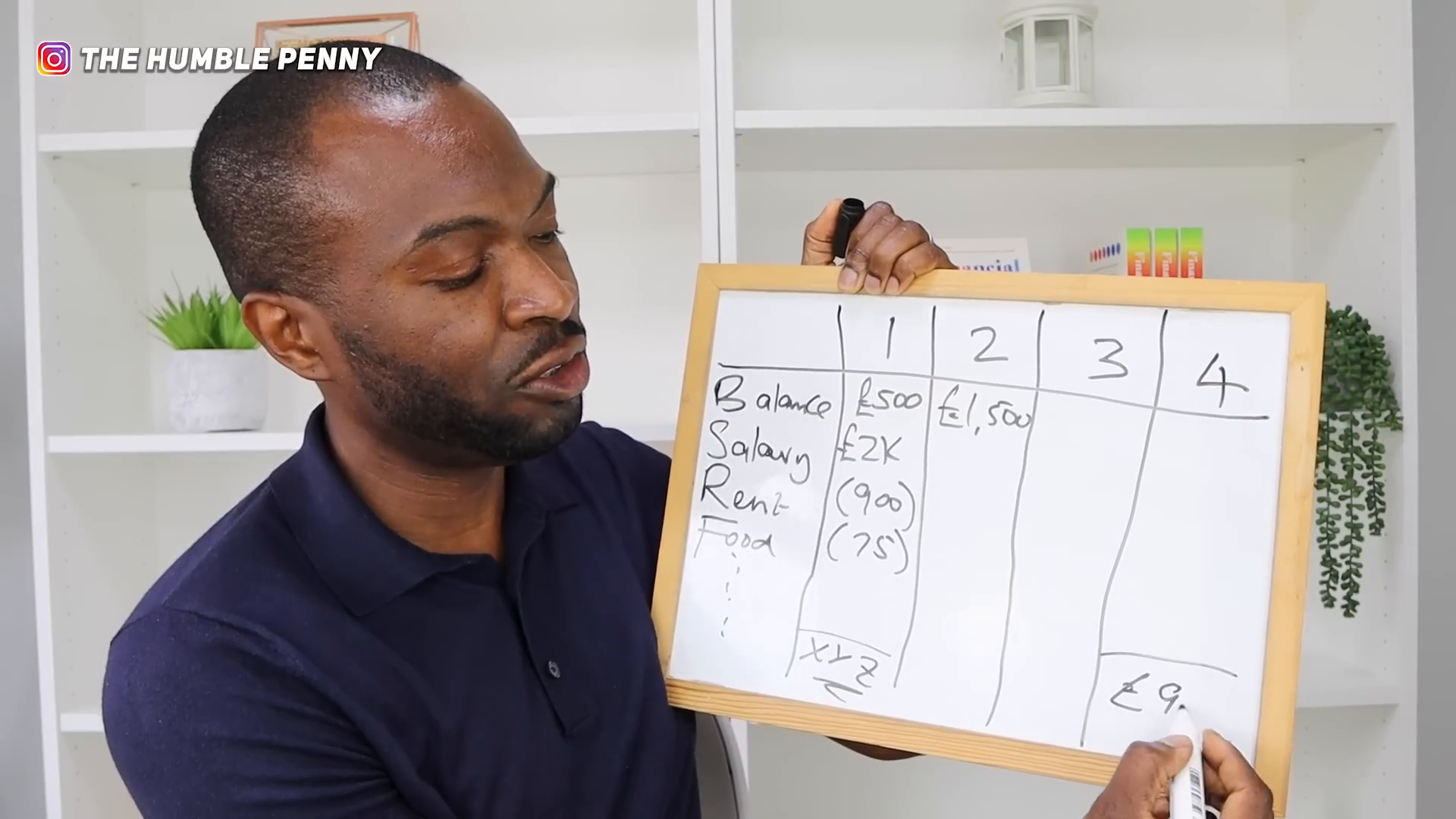
Example of a Cashflow Plan

Let’s assume our starting balance is £500.

In week one, we might receive £2,000 from our salary but have £900 in rent and £75 for groceries.

By calculating these figures, we can anticipate our remaining balance for the week.

  • Week 1: Start with £500
  • Add salary: £2,000
  • Subtract rent: £900
  • Subtract groceries: £75
  • Remaining: £1,525 for start of week 2.

At the end of week one, we carry over the remaining balance into week two.

This method continues for the next three weeks, allowing us to see our cash flow trends over time.

By the end of the month, we can evaluate whether we have effectively managed our cash flow and make adjustments for the following month.

undefined

Benefits of a Cashflow Plan

Creating a cash flow plan gives you a sense of control over your finances.

It helps you anticipate expenses, prepare for unexpected costs, and ultimately reduce financial anxiety.

You don’t need to be a financial expert to create a cash flow plan.

By simply using a pen and paper, you can gain clarity on your financial situation and make informed choices.

Alternatively, you can use our budget for life tool and only add actual cash inflows and outflows that you know will happen.


💰 Step 8: Create a plan to make more money

Creating a plan to increase our income is essential for financial growth.

Many of us find ourselves in situations where cutting expenses is no longer sufficient, and we need to earn more to move forward.

First, you need to determine your income goals.

It's crucial to ask yourself how much more we realistically want to earn.

This could be an additional 10%, 20%, or even 50% of your current income.

  • Define your target amount e.g. £1,000 per month.
  • Consider your skills and availability to put time in.
  • Set a timeframe for achieving your goal

Eliminating Distractions

One major hurdle in increasing our income is distraction.

We challenge ourselves to create phone-free spaces in our daily lives.

By setting aside time to think and plan, we can focus on how to leverage our skills better.

  • Put your phone away
  • Dedicate 1-2 hours daily for deep work
  • Reflect on your skills and knowledge

Exploring Income Opportunities

You can increase your income in three broad areas: 

  • Offer a service based on your skills
  • Create or sell a product
  • Generate content for online platforms

Each of these paths requires consistency and effort.

Lastly, remember that increasing your income takes time.

You must remain consistent in applying your skills, learning new ones, and experimenting with different approaches.

Nothing happens overnight, so patience is key.


🎁 Bonus point – Stop Worrying

In our financial journey, it's crucial to remember not to worry.

Studies indicate that about 97% of our worries never materialise, yet anxiety can still overwhelm us.

Worrying often stems from fear of the unknown.

By recognising this, we can take practical steps to alleviate anxiety and focus on what truly matters.

  • Pray 
  • Focus on the present
  • Limit exposure to negativity

It’s essential to remember that our current financial status is not permanent.

With focus and discipline, we can gradually improve our situation.

By integrating faith into your financial actions, you create a powerful combination that can lead to financial joy.

Recommended Book: Financial Joy: Banish Debt, Grow Your Money and Unlock Financial Freedom

undefined

Conclusion

To break the living paycheck to paycheck cycle permanently, you need to make financial abundance your new standard of living.

I'm not talking here about lavish living but instead, accepting a life filled with security and provision as a standard.

Everything we've covered above will help you adopt new habits and behaviours that will improve your relationship with money.

However, taking things to the next level of making abundance a permanent shift requires accepting it as a part of your new identity.


❓FAQ

Here, we will address some common queries to help you navigate your path.

What if I can't make ends meet?

It's important to remember that many face this challenge.

You can explore community resources and financial assistance programs that may provide support during tough times.

Use a benefits calculator to see what you might be entitled to. 

There is no shame in this at all! 

You may also want to speak with friends and family to see if you can get some temporary support.

How can I start saving money?

Begin by tracking your expenses and identifying areas where we can cut back.

Even small savings can accumulate over time, building a financial cushion.

If you're on a low income, the Help To Save Scheme is something to consider.

It is backed by the government and allows people on lo incomes to get a bonus of 50p for every £1 they save over 4 years.

Is it better to pay off debt or save?

This depends on your situation.

If you have high-interest debt, prioritising its repayment can save you money in the long run.

However, it's also vital to save for emergencies.

We recommend building up 3 to 6 months of essential expenses but aim for £1,000 or $1,000 first.

How do I create a budget?

We can start by listing our income and fixed expenses.

Then, allocate funds for variable expenses and savings to create a balanced budget.

If you want a robust budget tool, get the Budget For Life.

What are side hustles?

Side hustles are additional income streams outside our primary job.

They can include freelance work, selling products, or offering services based on our skills.

Click here to check our 50 best side hustle ideas that can make you £1,000 or $1,000 or more per month.

How can I improve my credit score?

To enhance our credit score, we should pay bills on time, reduce debt, and avoid opening too many new accounts at once.

Regularly checking your credit report can also help you identify areas for improvement.

Get your free credit report here.


📚 Additional Resources

To support your journey towards financial stability, we recommend reading our Sunday Times Bestselling book, Financial Joy.

It's a 10-week step-by-step plan to help you Banish Debts, Grow Your Money and Unlock Financial Freedom.

If you're interested in a combination of coaching, courses and a community of likeminded individuals on the journey towards achieving financial freedom, then join Financial Joy Academy.

What is your biggest struggle with living paycheck to paycheck? comment below ⬇️

What to read next about how to stop living paycheck to paycheck:

  • 15 Ways to Improve Your Credit Score to 999 
  • 12 Best Purchases to Make In Your 20s and 30s For Wealth In Your 40s
  • Unlocked: I Want To Start a Business But Have No Ideas

More to watch about how to stop living paycheck to paycheck:

From Zero to £470/Month: How a Mum of 3 Built a Thriving Membership Business

July 23, 2024 by The Humble Penny 0 Comments

From Zero to £470/Month: How a Mum of 3 Built a Thriving Membership Business

“It has changed my life. I can't emphasise it enough. It's a game-changer! Now I'm not in hunting mode. I wake up and it's like, I've earned £47 again and again from different people”.

In this inspiring interview, we'll hear the story of Felicia, a mum of 3 who hated the stress of her job in social work and made a career move to start her own business.

However, starting the business meant that she struggled to find clients for her brand strategy business.

After months of making no money, she launched a successful membership website that now brings in a relatable £470 per month in recurring income and growing.

Learn how she overcame the challenges and found the path to recurring income through a membership-based business model.

membership

🔍 Felicia's Backstory: From Social Worker to Brand Strategist

Before Felicia started her membership business, she was a social worker who decided to completely change her career.

She went back to university, did a master's, and decided to go into the route of brand strategy (an area of passion).

Felicia worked as a brand strategist, doing brand audits and strategy for people.

However, she found herself always in hunting mode, struggling to find clients and make consistent income.

Despite the challenges, Felicia decided to take a leap of faith and transitioned from social work to brand strategy.

This career change was not without its difficulties, but she persisted and eventually found a path to recurring through her membership-based business model.

Now, Felicia runs the Beauty Brand Inner Circle, a membership designed to help female beauty entrepreneurs grow their businesses beyond social media.

The membership offers opportunities for networking, group coaching, and a wealth of resources to support business growth.

Let's hear from Felica herself about what it took to go from zero recurring income in a side hustle to launching with 10 members paying her £47 each per month.

😅 The Struggle to Find Clients and Accumulate Debt

As I transitioned from social work to brand strategy, I found myself in a constant state of hunting for clients.

Despite offering premium services, I struggled to find people willing to pay for them.

This constant struggle led me to accumulate significant business debt, making it challenging to maintain financial stability.

Living paycheck to paycheck, I struggled to make ends meet after transitioning from a traditional job to starting my own business.

I reached a breaking point and confided in Ken at The Humble Penny about my challenges.

It was during this open conversation that I received the support and guidance I desperately needed.

One thing he pointed out within 5 minutes of speaking with me is that I needed to make my services accessible to a broader group of people at an accessible price point.

This way, I can demonstrate my expertise and if people want to work with me at a premium level, they also have that option.

On top of that, if I did it as a membership model, not only would it lead to more customers, but I would generate recurring income each month in advance.

This was a light bulb moment and I was sold!

But now, I needed to make it all a reality. Where do I start? 🤔

🤑 Embracing the Membership Model: A Pathway to Recurring Income

So what is a membership business?

A membership business is a type of business model where customers pay a regular fee to belong to a community or gain access to products, services, or exclusive content.

It's like joining a club or subscription where members receive ongoing benefits or priviledges in return for their membership dues.

Transitioning to a membership model can provide a sustainable pathway to recurring income.

This model allows you to leverage your existing skills and expertise to create a community of like-minded individuals who are willing to pay for access to your knowledge and resources.

When building a membership business from scratch, it's important to recognise that the initial stages can be challenging. Not gonna lie! 😅

However, perseverance and commitment are key to overcoming the hurdles and achieving long-term success.

Despite the guaranteed difficulties at the start, the membership model offers a light at the end of the tunnel.

😊 My 14-Week Journey: Overcoming Challenges and Achieving Success

It took me 14 weeks to go from struggling to find clients for my brand strategy business to launching a successful membership website that now brings in £470 per month in recurring income and growing.

Let's dive into the key moments that defined my journey:

1. Get Help From Those Who Have Been There

Having followed Ken and Mary for years, I took the leap to work with Ken on their premium Architect Programme over 14 weeks!

Doing this meant that I stopped guessing and focused on a plan that actually works because I'd seen the results he'd helped others to achieve.

If you are considering going on a similar journey but are unsure about your idea or even where to start, I'd recommend doing the 5-day free membership challenge first.

2. Staying Focused and Building Rapport

I can't over-emphasise the importance of perseverance and staying focused on the end result.

Visualising that end result is so important because not everyone (including even your partner) will be able to relate to what you're trying to create.

Despite my struggles, I challenged myself to remain committed to my plan and saw it as something that must work without a backup plan B!

It was difficult focusing on that vision, whilst doing married life, raising three children and also trying to stay on top of my debt and bills whilst working on the membership business.

Making friends with others going through a similar journeys played a pivotal role in keeping me motivated and focused on my goals.

In fact, without the accountability that Ken and Mary offered by pairing me with someone else on the same journey, I literally wouldn't have launched my business.

2. Understanding Your Ideal Customer

One of the critical turning points for me was gaining a deep understanding of my ideal customer.

By recognising that my target audience consisted of women in the beauty business who primarily operated in physical spaces, I was able to tailor my launch approach accordingly.

This insight directly influenced the success of my in-person launch event as traditionally, most people launch mainly online.

3. Transitioning to Recurring Income

My decision to embrace the membership model from a mindset perspective marked a significant shift towards creating recurring income.

By converting ten paying customers at £47 per month during my launch event, I achieved a monthly recurring income of £470.

I never forget that moment when my phone kept pinging at the in-person launch event with notifications that I'd earned £47, followed by repeated notifications for £47 each.

At that moment I realised that although I was starting small, I had created something that people truly wanted.

This validation provided me with the confidence and a sustainable source of income that I've continued to grow over time.

4. Embracing New Skills and Overcoming Challenges

One of the most significant highlights for me was the realisation that I could learn and master new skills, such as using WordPress and understanding the importance of email marketing.

This newfound knowledge empowered me to overcome challenges and build a website that I initially thought was beyond my capabilities.

5. Perseverance and Self-Discovery

Through my journey, I discovered my capacity for perseverance and resilience, traits that I hadn't fully recognised within myself before.

Despite facing daunting obstacles (especially as someone who didn't have a lot of digital skills), I found the inner strength to push forward and overcome the challenges that came my way, ultimately leading to my personal growth and self-discovery.

6. Moment of Realisation and Validation

As I witnessed the gradual progress of my website and shared glimpses of my journey on social media, I received encouraging feedback that validated my efforts.

This moment of realisation instilled a newfound sense of confidence and belief in the viability of my membership business.

Conclusion

As I reflect on the future, I can't help but feel an overwhelming sense of optimism and excitement.

What excites me the most is the unforeseen directions in which my business is progressing.

The launch of my membership business has created a path to sustainable income and a growing lifeline for my family and new career.

I wish I started this journey years ago and highly recommend it to anyone looking for a side hustle they can do with 5 to 7 hours a week alongside their day job with the potential to grow without needing to do more work.

It's a complete no-brainer, but be prepared to work to get it going 😀.

Recommended: Join the Free 5-day Start Your Membership Business Challenge


More to read on starting a membership business:

  • Get coached by Ken & Mary to launch your membership business
  • How Andy makes £4,596 per month from his membership
  • Pippa made £10k in 7 months. Here is what she did

FAQ

Here are some common questions and answers about building a membership business:

1. How long does it take to build a successful membership website?

Building a successful membership website can vary in time, but with the right guidance and commitment, it's possible to see significant progress within a few months.

2. What skills do I need to start a membership business?

Starting a membership business requires a combination of skills such as understanding your target audience, creating valuable content, and implementing effective marketing strategies to launch your business.

3. Can I start a membership business with no prior experience?

Absolutely!

Many successful membership business owners started with little to no prior experience.

It's all about learning and implementing the right strategies whilst avoiding mistakes.

4. How much can I make from a membership business?

This type of business is completely scalable with the potential for income growth without costs rising equally.

If you had a membership business where you charged £30 per month, 100 or 200 paying members will lead to income of £3,000 or £6,000 respectively.

You can also price your membership in any currency e.g. USD ($), Euro, etc, and you can have paying customers from anywhere in the world, whilst also having the freedom to run your membership from anywhere in the world.

What to watch next about starting a membership website:

12 BEST Purchases To Make In Your 20s and 30s

July 21, 2024 by The Humble Penny 0 Comments

12 BEST Purchases To Make In Your 20s and 30s

Imagine reaching your 40s with the freedom to live life on your terms, financially secure, and worry-free 😊.

The secret to achieving this dream starts with the smart choices you make in your 20s and 30s.

In this post, we'll be revealing the 12 best purchases that will help you build wealth and set you on the path to freedom and abundance in your 40s and beyond.

Whether you’re just starting out or looking to optimise your spending, these tips will transform your future.

Note that you can't do all 12 of them at the same time, the key thing is to choose from the list what works best for you in the current season of your life.

In case you're new to our work, I'm writing this having turned 40 recently.

I also started life in the UK as a first-generation immigrant with no money and limited rights at the age of 14.

However, we achieved Financial Independence at 34 including mortgage-free in 7 years with many sacrifices, risks taken and wise choices made about money (after some mistakes).

Table of Contents

Toggle
  • 12 BEST Purchases To Make In Your 20s and 30s
  • 1. Own the world 🌍
  • 2. Buy quality books 📚
  • 3. Wedding Rings and Surprises 💍
  • 4. Insurance 🔒
  • 5. Property 🏠
  • 6. Buy back time ⏰
  • 7. Holidays & Retreats 🌴
  • 8. Buy a business off the shelf 🏢
  • 9. Good quality food 🍏
  • 10. Tailored coaching & advice 🤝
  • 11. A reliable car 🚗
  • 12. Health 🏋️‍♂️
  • Bonus 1. Wholesome events and Members' clubs
  • Bonus 2. Another Passport
  • Conclusion

12 BEST Purchases To Make In Your 20s and 30s

Here are the 12 best things we'd put money into if we were doing this all again.

1. Own the world 🌍

One of the first things I would purchase with my money would be to invest to own the world.

This means investing in index funds or ETFs that have allocations across some of the best companies globally.

By spreading your investments geographically, you can benefit from the growth of companies and economies worldwide.

Start early and you will be guaranteed a future of freedom and much more abundance.

This week alone, we helped two work-experience students start investing at the ages of 15 and 17.

Imagine what future they could have thanks to compounding.

2. Buy quality books 📚

Investing in books is a big differentiator when it comes to financial success.

Reading a variety of books from different genres has a strong correlation with creating a level of financial security and freedom.

I can specifically point to different levels of success in my life tied to specific books that resulted in a shift in my mindset and skillset.

In fact, I credit a book to helping me become a CFO years ago when it was my ambition.

I'd even say that this should be a consideration if you're dating.

Ask your potential life partner what book they last read. 

It might be a red flag if they don't read any quality books at all.

Here are some categories of books worth investing in:

  • Careers: Books to help you level up in your career, understand different job roles, and guide you to achieve your career goals.
  • Marketing: Resources to help you understand the principles and strategies of marketing.
  • Finance: Books to enhance your knowledge of personal and business finance.
  • Sales: Books that pair beautifully with marketing and provide insights into the art of selling.
  • Creativity: Books to help shift your mindset and unlock your creative potential, even if you think you're not naturally creative.
  • AI and Technology: Books to keep you updated on the latest advancements in artificial intelligence and technology.

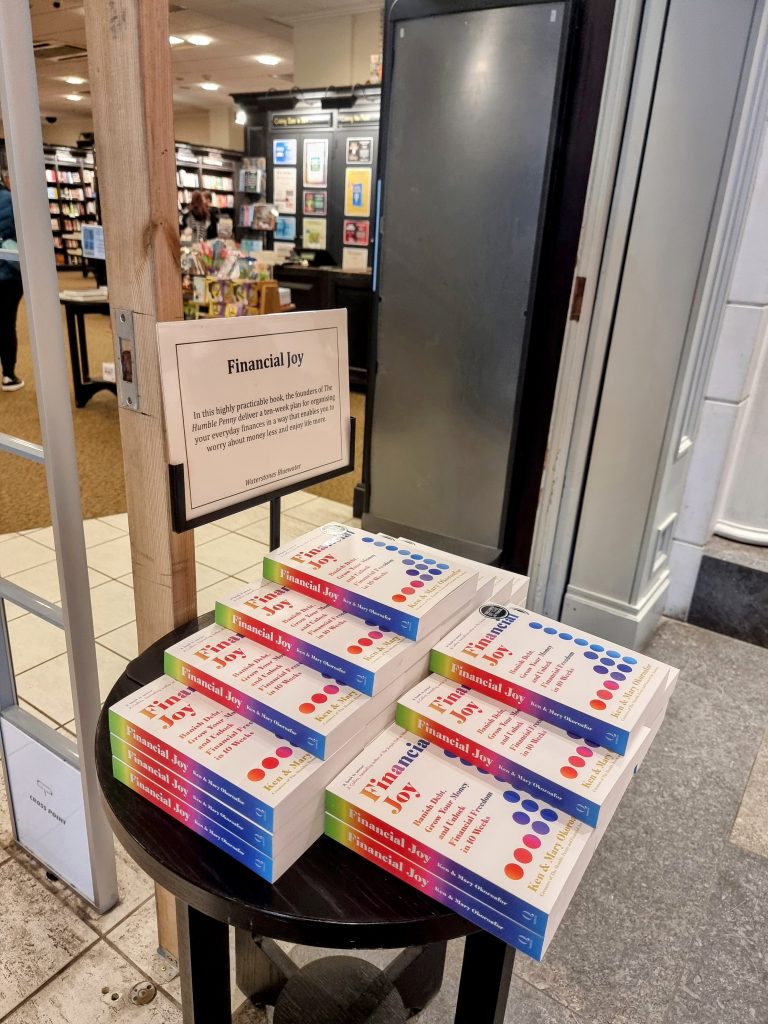
Money Book Recommended: Financial Joy: a 10-week Plan to help you Banish Debt, Grow Your Money and Unlock Financial Freedom

BEST Purchases To Make In Your 20s
It was a proud moment to see Financial Joy displayed at the entrance of Waterstone's Bluewater


3. Wedding Rings and Surprises 💍

Investing in a wedding ring is more than just a symbol of love and commitment.

It can also provide important protections and advantages, such as reducing inheritance tax, wealth protection, and security for your family.

It's not about the cost of the ring, but rather the commitment it represents to your future partner.

Surprising your partner can also indirectly correlate to your future wealth, as it can keep your relationship fun, interesting, and together, potentially avoiding the costs of divorce.

This year makes it 13 years we've been happily married as a couple 😍.

I can tell you for sure that doing things together as a duo has not only made us happier but wealthier.

Note, that you can do the same as a single person too with a plan and lots of intention!

But, there are important wealth advantages that married people have.

All that said, please only marry the right person for the right reasons, which for us is love and commitment. 

Everything else is a bonus!

4. Insurance 🔒

When it comes to insurance, two key areas matter for your youth.

Firstly, life insurance is crucial for providing financial security for your family members in case of your absence.

The younger you buy it, the better and cheaper it remains.

Secondly, there are many other forms of insurance that can provide important protections for your future, but we'd like to highlight health insurance.

Again, the younger you do it, the cheaper it is and the more likely you'll get good coverage without pre-existing conditions.

Although we have the NHS in the UK and this can be good depending on where you live, health insurance is a second layer of protection for when you really need it.

5. Property 🏠

Investing in property is a significant step towards building wealth and security for the future.

Whether it's buying a house or considering property investments, the benefits of property ownership go beyond just having a roof over your head.

It can provide financial stability, security, and serve as a valuable asset for retirement.

Although buying a house is out of reach for a lot of people, one approach is to consider pooling funds with others.

We've seen a growing trend of young people coming together for property joint ventures and owning parts of something rather than zero per cent of nothing.

If you're considering property investments, it's important to explore different strategies, such as buy-to-let, HMOs, flipping, and buy-refurbish-refinance, etc.

However, property investment comes with risks, so it's crucial to do thorough research and consider your risk tolerance before diving in. It's not for everyone!

See week 9 of our book where we cover in detail 6 property investing strategies with practical case studies to help you implement them.

6. Buy back time ⏰

Investing in buying back time can be one of the best decisions you make for your future.

By simplifying your lifestyle and outsourcing tasks, you can free up valuable time to focus on what truly matters to you.

Whether it's hiring a cleaner, getting a Virtual Assistant (VA), or outsourcing meal preparation and childcare, buying back time allows you to prioritise your freedom and well-being.

We've personally found that adjusting our lifestyles to free up the budget to get a cleaner and a VA, has been one of the best investments we've ever made.

In addition, we also sometimes pay for someone to batch cook for us as a way to free up our time to focus on time together as a family.

7. Holidays & Retreats 🌴

When I look back on my life over the last 10 years, one thing reflect on almost every week is the beautiful travel experiences we allowed ourselves to have.

I never think of my jobs in the same way and this says a lot.

We've travelled to 30 countries and counting over the last 15 years with some of my favourites being Tanzania, Italy, St Lucia, Ghana, Indonesia, Egypt, etc.

Travelling and going on retreats is a life-changing experience.

It’s important to balance work and play and allocate a portion of your income to enjoy your life.

Start with 5% of your net income and when you're fully debt free (having paid off all expensive debts), gradually increase this percentage.

By travelling, you can feed your soul, improve your well-being, and create unforgettable memories.

Even if you can't travel at the moment, having a vision for your life and planning for it can make it a reality over time.

We plan at least 12 months ahead to get the best deals and keep costs lower.

So far, collecting Avios points using Amex has helped us gain Business Class upgrades and save thousands.

Please only do this if you'll pay off balances monthly without fail and will use a card like this for planned purchases.

best purchases to make in your 20s
This was a beautiful moment in Singapore as we celebrated our book becoming a Sunday Times Bestseller.

8. Buy a business off the shelf 🏢

Starting a business can be intimidating, but you don’t have to start from scratch.

Buying a business off the shelf can be a great way to become an entrepreneur without having to start a company from the ground up.

Growing up, I saw my mum buy a medical services company off the shelf and turn it into an agency.

It helped me believe that there are other ways of becoming an entrepreneur.

Consider looking into websites like Empire Flippers and other similar platforms to find businesses for sale.

Take time to do your due diligence.

Alternatively, look on social media for accounts with over 10k followers and DM some to ask if they want to sell.

A lot of the time, people grow a following online but don't know how to monetise it. This can be your opportunity!

9. Good quality food 🍏

Many people are dying slowly simply because of the poor food they choose to eat.

Investing in good quality food is crucial for living a healthy and fulfilling life.

Even if you ate a smaller portion but ate good quality food, you're setting yourself up for success.

By prioritising wholesome foods and cutting out junk, you can nourish your body and avoid the negative effects of consuming low-quality, processed foods.

Good quality food not only contributes to your overall well-being but also helps you avoid health issues in the long run.

Recommended reading about good quality food is ‘Ultra-Processed People'.

10. Tailored coaching & advice 🤝

Seeking tailored coaching and advice can be a game-changer in your journey towards building wealth and financial independence.

Whether it's financial and business coaching, or advice from experts in various fields, investing in the right guidance can help you make informed decisions and avoid costly mistakes.

Having the right people around you, such as financial planners, estate planners, and other advisors, can provide you with the knowledge and support you need to level up and achieve your financial goals.

11. A reliable car 🚗

Investing in a reliable car is crucial, especially in your 20s and 30s.

It's easy to be influenced by social media and feel the need to have a flashy car, but it's important not to prioritise a nice car at the expense of investing for the future.

Avoid buying a car on finance (if possible) and opt for a reliable, basic car that meets your needs.

By doing so, you can save money and invest for greater wealth and freedom.

We don't just say it, we're living it today.

Our car is 8 years old, cost less than 10k and we paid cash. 

We never worry about it and instead invest our money to create more financial freedom.

12. Health 🏋️‍♂️

When it comes to your health, there are three key aspects to consider: physical health, mental health and spiritual health.

Prioritising your physical health through regular exercise can have a positive impact on your overall well-being.

Whether you have a gym membership, work out at home, or enjoy outdoor activities, investing in your physical health is essential.

We converted our home shed into a small home gym and it's one of the best investments we've ever made.

Additionally, nurturing your spiritual health by making time for meditation, prayer, or other spiritual practices can contribute to your overall sense of well-being and fulfilment.

For us, this is about prioritising our relationship with God and putting it first in all that we do.

Finally, there is mental health especially post the pandemic. 

Many of us are struggling in many ways and being distracted more than ever online.

Try to spend more time in the physical world with friends, family, among nature, etc.

This is what we're doing to improve our mental health.

You may also want to consider therapy or counselling.

Here are some additional bonus points:

Bonus 1. Wholesome events and Members' clubs

Investing in wholesome events and members' clubs can be a great way to align your money with your interests.

By attending events that align with your passions, you're more likely to network with like-minded individuals and build valuable connections.

Whether it's music performances, mental well-being events, or property seminars, these gatherings provide an opportunity for networking and personal growth.

Mary and I actually met at a property investing event and 15 years later, we're still going strong.

If you're single, be led by your interests and related events as a way to meet a future partner.

Bonus 2. Another Passport

Investing in an alternative passport can be a strategic move for those considering a change of residency.

Obtaining a passport from another country can open up new opportunities and provide a sense of security for the future.

Whether it's for lifestyle reasons or broader geopolitical considerations, having a second passport is worth considering as part of your long-term financial planning.

Conclusion

The future financial life that you desire awaits you but it begins with making wise and intentional choices today.

Wealth is more than money, so in addition to looking after your finances, ensure that it is not at the cost of your well-being.

If you focus on achieving a balance today, your future self will thank you for it years from now when you're alive and well to further enjoy the fruits of your labour.

More to read on the 12 best purchases to make in your 20s and 30s:

  • Get Financial and Business coaching to build wealth
  • 10 Budget Friendly Best Places to Retire in The World
  • 40 Years Old and Nothing Saved For Retirement. Do. This!

Which of these 12 best purchases to make in your 20s and 30s will you be making and why? Comment below

More to watch on the 12 best purchases to make in your 20s and 30s:

How I’d Start a Side Hustle or Business to Make Lots of Money

June 10, 2024 by The Humble Penny 0 Comments

How I Would Start a Side Hustle or Business to Make Lots of Money

Would you believe me if I told you that rejection is a good thing for you?

In fact, the more you get rejected, the closer you come to making a lot of money with a side hustle or a business.

One disappointing thing I see is so many people sitting on potential but never realising it.

They never do because of two main fears:

  • The fear of failure.
  • The fear of rejection.

Beyond these two fears is everything you want when it comes to success in your business or a side hustle.

Today, I want to show you how to get beyond these fears and take the 5 steps you need to start a side hustle or business to make lots of money.

You can also apply these tips to other aspects of your life such as your career.

This topic is super important because many people don’t have a side hustle or business and they’re interested in starting one:

start a side hustle

Table of Contents

Toggle
  • How I Would Start a Side Hustle or Business to Make Lots of Money
  • Step 1: Decide Why You Want Success With a Side Hustle or Business 📝
  • Step 2: Set Your Freedom Goal as a Monthly Amount 💷
  • Step 3: Start With Small Experiments 🔍
  • Experiment Step 1: Identify a Side Hustle or Business Idea
  • Experiment Step 2: Ask a Question
  • Experiment Step 3: Do Background Research
  • Experiment Step 4: Form a Hypothesis
  • Experiment Step 5: Pre-sell Your Products
  • Experiment Step 6: Test Your Hypothesis by Doing an Experiment
  • Experiment Step 7: Analyse Your Data
  • Experiment Step 8: Draw a Conclusion and Refine
  • Experiment Step 9: Communicate Your Results
  • Step 4: The Connection Effect 🫶🏽
  • Step 5: Be Kept Accountable ⭐️
  • Conclusion

How I Would Start a Side Hustle or Business to Make Lots of Money

If you take action and follow these steps, you’ll never live with the agony of zero success. 

These 5 steps will be based on the P.O.S.T Framework in our book, Financial Joy.

P.O.S.T stands for Purpose, Objectives, Strategy and Tactics.

Let’s start with the Purpose element first.

Step 1: Decide Why You Want Success With a Side Hustle or Business 📝

You need to be crystal clear on what success in this area will bring to your life.

Does it mean the end of a dead-end job that you hate? 

Will it mean more money to invest in your Stocks and Shares ISA or Self Invested Personal Pension (SIPP)?

Does it mean that you have more money to live the lifestyle you want?

Perhaps it might even mean you finally have some money left to invest for your children.

Finally, will it speed up your journey to financial freedom?

Action: Pause for a moment right now and write down what your why is. Don’t continue reading until you’re clear on exactly why this matters to you. Write it down 📝

Now let’s move on to the Objectives in the P.O.S.T framework.

Step 2: Set Your Freedom Goal as a Monthly Amount 💷

Isn’t it interesting that when you have a deadline at work, you do everything possible to achieve it?

You do that because you fear that you might let your boss or your team or yourself down.

Psychologically, you took action because there was something clear to aim for.

I want you to use the same idea but this time, set a deadline for yourself and for your benefit.

Pick a number that would be game changing for you monthly but with a purpose attached.

E.g. it could be £3,000 or $3,000 a month because it would cover your monthly essential expenses.

The key thing is to make sure that it is a per month number not per quarter or per year. This way, the deadline feels more real and there is some urgency to achieve it.

Now let’s move on to the Strategy in the P.O.S.T framework.

Step 3: Start With Small Experiments 🔍

The fear of failure stops most people from starting a side hustle or business even when they already have the skills to succeed. 

To help you beat that fear of failure, I’ll recommend doing what I did to start The Humble Penny.

I turned the whole thing into a fun experiment with 1 – 2 hours a day. 

Do you remember doing experiments at school?

My Chemistry class during my A-Levels was one of my most fun classes. Here is a little reminder of how experiments work:

Experiment Step 1: Identify a Side Hustle or Business Idea

Think of a problem you want to solve or something you’re passionate about.

An easy way of finding business ideas is to ask people who know you well. Send them a text now saying:

“Hey, you know me well. What top 3 business ideas do you think are best suited to my skills and interests?”

Another way is to consider what you currently find frustrating in your life day after day, and chances are, others are also finding it frustrating. 

Finally, you could pick a popular idea that you know people are making money from, e.g. Starting a dropshipping business.

I’ll stick with this example because our 11-year old son is currently learning how to do dropshipping.

Experiment Step 2: Ask a Question

Start with something you want to find out.

E.g. Will people buy the products I plan to sell through dropshipping?

Experiment Step 3: Do Background Research

Gather information about your question. 

  • Trends: What are some of the most popular niches?
  • Products: What is popular or in-demand in your chosen niche?
  • Competitors: What are others doing? What products? What pricing? Read their reviews.
  • Customers: Are there potential customers? Without potential customers and a big enough market size, there is no business.

You can do this using online tools like Google Trends, Facebook Ads Library, and surveys within your network. 

Experiment Step 4: Form a Hypothesis

Make an educated guess. 

For example:

“People will buy my dropshipping products if I offer trendy, high-quality items at competitive prices with reliable shipping.”

Experiment Step 5: Pre-sell Your Products

The goal of pre-selling (or pre-ordering) is to keep costs to a minimum and see if people will pay you for your idea.

If you can make your first £1 or $1 from pre-selling, then you’ve truly validated your idea.

Pre-selling also helps you to tackle the second fear that we touched on earlier, i.e. the fear of rejection, because you’ll be asking people for money.

Remember, getting a NO is NOrmal!

You’ll get many of these but you’ll also get a YES and make lots of money if your persist.

Here is how you’d pre-sell your products:

  • Create an offer: Something clear and attractive that outlines what customers will get, when they’ll get it and include certain promotional discounts for early birds.
  • Promote the offer: Start with friends and family. Then, go to where your ideal customers hang out e.g. existing marketplaces. Plus social media (e.g. Facebook, Instagram, LinkedIn, TikTok) and promote your pre-sale offer.
  • Collect commitments: Have a payment system ready e.g. PayPal or Stripe. Receiving money from someone is the ultimate commitment. 

Experiment Step 6: Test Your Hypothesis by Doing an Experiment

Create a small, controlled test to see if your hypothesis is correct. 

Now you’re really getting to work. Will the initial hypothesis that you set be true?

  • Product offering: Start offering the product through your dropshipping store.
  • Initial Customers: Fulfil initial orders to those who you pre-sold to and ensure it is high quality and done in a timely manner.
  • Promotion: Continue to promote your product beyond the pre-sale phase.

Experiment Step 7: Analyse Your Data

Look at the results of your test.

  • Customer feedback: collect feedback from your initial customers about pricing, quality and overall satisfaction.
  • Sales Numbers: Track and review the number of inquiries, orders and pre-sell conversions.
  • Shipping and Delivery: Evaluate how this process went based on feedback and delivery times.

Experiment Step 8: Draw a Conclusion and Refine

Decide if your hypothesis was correct or not. 

Was your product in demand? Which of your products were most popular? Is your pricing competitive and attractive enough?

Based on the validated data above, you now need to consider refining your product offering or pricing strategy.

You should also focus on what product(s) sold the most and back them, letting go of what didn't work.

Remember, this is the beauty of experiments. You can do many of them (even weekly), thereby testing many ideas (up to 52 a year) to see what will make money. 

Once you find a product or idea that works and makes money, you can then worry about scaling later on. One step at a time though.

Experiment Step 9: Communicate Your Results

Share what you learned. 

This could be with a mentor, in a business plan, or simply for your records to decide on your next steps such as expanding your offering.

Recommended: If you struggle with starting a profitable Side Hustle or Business and you want to achieve it in 24 hours or less, you should join us in-person at our VIP Day. Our next one is on 29th June.

Alternatively, if you want a lower-cost DIY solution, join Financial Joy Academy. 

Here you’ll get group coaching from us, practical courses and masterclasses with action plans to help you build your business, a supportive community of others of a similar mindset, the 5 am Club, get an accountability partner, join in-person meetups 3 times a year and much more.

start a side hustle

Step 4: The Connection Effect 🫶🏽

You’ll have heard the saying that the quality of your life will be determined by the quality of your relationships.

As someone who started out with a corporate career over 14 years and then taking the leap to run my own business fully, I didn’t fully appreciate the connection effect until I had to find create opportunities from scratch.

People buy from people and the energy with which you put things things into the world is the energy with which you’ll receive.

On your journey of trying to start a profitable side hustle or business, remember that you’re dealing with human beings.

See every interaction as an opportunity to build a meaningful relationship with a human-first approach.

This will open many doors for you and will not only help you to operate with purpose, but it will also help you to generate profits as people will always buy from people who care about them and solve their problems.

Step 5: Be Kept Accountable ⭐️

Every single week, to have the level of success you desire without BS’ing yourself weekly, you need to be held accountable by someone.

I speak from experience because I’ve told myself I’d aim to achieve various things in the past but haven’t simply because I had no one to report to.

An effective way of being held accountable is to follow the review/preview approach.

First, identify someone who you respect who is also on a similar journey to you and has a similar mindset.

Ask them to be your accountability partner.

Next, every Saturday or Sunday, speak or message each other your review/preview.

I.e. review of the last 7 days and a preview of what you want to achieve over the next 7 days.

Then repeat this process every week.

Conclusion

Starting a side hustle or business to make lots of money over time (starting first with £1 or $1) is possible.

It starts with an experimental approach that makes all of this fun and gives you the best chance of overcoming the two great fears of failure and rejection.

Will it be easy? No.

But, it will be fun and extremely rewarding as you take steps to acquire new skills, do experiments and gradually build your own table.

Here are those 5 steps summarised:

Purpose → Objective → Experiment → Connect → Accountability 

This can further be summarised into a 3-step journey: Start → Ask → Repeat 

I wish you all the success on your side hustle or business journey.

Every possibility is yours with this experimental mindset. You can do it! 😀

What to read next on how to start a money-making side hustle or business:

  • Join Financial Joy Academy
  • Come to our VIP Day and launch your idea in 1 day
  • 50 Best Side Hustle Ideas to Make £1,000 a Month

What to watch next on how to start a money-making side hustle or business:

Do you like the experimental approach to starting a side hustle or business to make money? Comment below with your thoughts or questions 🙂

10 Ways To Raise Financially Savvy Children

May 14, 2024 by The Humble Penny 0 Comments

How to raise financially savvy children

“Daddy, I want you to help me to start a business, then I'll use my YouTube channel to promote it to make money”.

Our 11-year-old son, Joshua, said this to me yesterday and it got me thinking 😀.

Firstly, I was excited to see that outside of school work and multiple interests in chess, football, gaming, etc, he has a genuine interest in entrepreneurship.

However, there is another important lesson worth sharing – Modelling.

Mary and I have been parenting for 11 years so far and it has not been easy!

One thing we've learned is that we're like a mirror to our children.

Whatever we do, they do (including any bad habits) 😅.

So we've started using this to our advantage.

financially savvy children

Table of Contents

Toggle
  • How To Raise Financially Savvy Children
  • 1. Manage Your Finances Well
  • 2. Show Them What a Loving Relationship With Money Looks Like
  • 3. Teach Them To Think From An ROI Perspective
  • 4. Watch Business Related Shows With Them
  • 5. Operate With a Mindset of Gratitude
  • 6. Co-Invest With Your Children
  • 7. Have Themed Conversations
  • 8. Use Everyday Things Around You
  • 9. Leave Room For Them To Experiment
  • 10. Talk About Your Money Struggles
  • Conclusion

How To Raise Financially Savvy Children

Here are 10 tips to help you raise financially savvy children who will go on to achieve financial independence one day: 

1. Manage Your Finances Well

As we've established, children do what they see their parents doing.

So why not use this to your advantage?

  • If you want your children to read more books and spend less time on devices, read more books in front of them.
  • If you want your children to become more enterprising, do enterprising things and get them involved.
  • If you want your children to be more prayerful and God-fearing, pray with them and show them what that looks like in your life daily.
  • If you want your children to see what love looks like in a marriage or committed relationship, be intentional in keeping your relationship fun whilst respecting and honouring your partner 😍

The same applies to becoming more financially literate.

If you want your children to one day become financially independent, show them through how you manage money that this is a priority for you.

If you're single or a couple, getting your finances right let alone teaching your children can be challenging.

We have a lot of resources here on our blog to help you.

In addition, read our book as we've structured it as a step-by-step 10-week plan to help you work towards financial freedom.

2. Show Them What a Loving Relationship With Money Looks Like

One way of doing this is to reflect on your relationship with money is like today and what you learned growing up that you might need to unlearn.

For example, did you grow up with negative beliefs about money such as:

  • ‘Money is the root of all evil'
  • ‘Investing is only for the rich'
  • ‘Money doesn't grow on trees'

That list carries on. 

It's also important to consider what money traumas you might have today. 

For example, a failed business, a bad divorce, chronic overspending and debts, childhood poverty, etc.

Acknowledging and healing these money traumas and negative beliefs will set you on a transformative journey of better educating your children.

Such healing can come from:

  • seeking the help of a therapist or financial coach,
  • challenging your limiting beliefs,
  • embracing self-compassion and
  • gradually adopting new money habits.

3. Teach Them To Think From An ROI Perspective

One thing I wish that my parents taught me is how to look at opportunities with a Return On Investment (ROI) perspective.

For example, you want to invest in stocks or property, what kind of ROI might you expect?

You want to start a new side hustle, what ROI might you expected from putting in 1 or 2 hours a day into it?

ROI is calculated as Net Profit/Total Investment x 100%

For example, you invested £48,000 into a property and you get net profits of £1,000 a month (£12,000 a year). 

ROI in this example is £12,000/£48,000 x 100% = 25%.

By teaching a child this simple calculation, they can use it over time as they grow up, and learn to compare opportunities.

4. Watch Business Related Shows With Them

Lately, we've been watching Dragon's Den and The Apprentice with our children.

Not only is it fun to watch, but, these shows expose them to a lot of interesting business ideas and helps them to be enterprising.

On a recent show of Dragon's Den, someone pitched for money asking for £50,000 for 5% of their business.

I paused the show and asked our sons (aged 9 and 11) to work out what the business is valued at and they were able to do it.

If 5% = £50,000, then 100% = ?. The answer is £1m.

This is great mental maths for children.

5. Operate With a Mindset of Gratitude

When you appreciate the resources and financial stability you have in your life no matter how small, you create an environment for money to flow into your life with the same energy.

Every day, ask your children 3 things that they're grateful for.

You can discuss this over dinner or whilst getting ready for bedtime.

This helps them to develop a healthy relationship with money over time and an attitude of gratitude.

6. Co-Invest With Your Children

‘Co-invest' sits very well with other important things worth doing with your children e.g. co-create, collaborate, etc.

We've co-invested with our children from birth. At first, we'd invest little monies (e.g. gifts) into the stock market for them.

However, as time passed, we'd get them involved when investing and not only ask them to put some of their money in whilst we match it, but we'd also teach them how investing works.

Recently, our son saved up £130 and decided to spend £30 and invest £100 because we were going to match his £100 investment to make it £200 invested.

This motivates and encourages them to keep saving and investing.

To get started, open a Junior ISA for your child so that you can invest up to £9,000 a year with tax-free gains.

If you have more money to invest for them, get free money when you invest in a Junior SIPP (pension) for your child. 

For every £2,880 you put in per year, you get an extra £720 free from the government, which all then compounds and grows over time.

Recommended: Index Funds Explained: How To Invest For Beginners

7. Have Themed Conversations

For example, “where does money come from?”, “what is an asset?”, “what are the different ways to generate income?”, “Is debt good or bad or both?” etc.

You'll be amazed where these conversations lead.

I remember once having a chat with our sons about assets. 

From discussing “what is an asset?”, we found ourselves discussing, what's an income-producing asset? and examples, etc.

These conversations give your children imagination and a wealth of ideas about money.

8. Use Everyday Things Around You

Everything around you provides an opportunity for you to teach your children important life lessons.

Take the school run, for example.

  • Talk about cars and how it has the potential to keep people poor
  • Look at houses on the street and talk about pros and cons of home ownership
  • Turn on the radio and talk about how politics can affect wealth outcomes 

Or simply look at the street and talk about how the fish and chip shop makes money compared to the sweet shop.

The conversation possibilities are endless and provide opportunities to have interesting conversations that will help your children become more savvy financially.

9. Leave Room For Them To Experiment

You don't know it all and your children are already probably smarter than you are.

A lot of parents stand in the way of the potential of their children.

So let them try new hobbies and interests provided they're likely to lead to healthy and fruitful outcomes.

If your budget allows it, set aside a small portion (e.g. £100 a month) for them to try new ideas that may help them learn to take calculated risks from a young age.

This will teach them to be enterprising and have the confidence to try new things out.

Set the expectations and where things don't work out, focus on the learning and effort put in without blame.

10. Talk About Your Money Struggles

As parents, it's quite normal to want to show our children the positives in our lives from a financial perspective.

You might talk about a promotion you had or the fact that you might be upgrading your car and so on.

However, it's equally meaningful and memorable to share your financial struggles and mistakes with your children.

This helps to build the right expectations so that they don't always think that life's always all good!

If you're in debt, struggling to balance the budget or if you receive an unexpected bill that you didn't plan for, talk about it openly.

You could even talk about some of your biggest financial mistakes growing up.

One of the biggest memories I have growing up was seeing my parents ‘final demand' letters pile up at the stairs.

Seeing how they dealt with the challenges of debt made me want to create a future where I wasn't in debt and if anything, I'd become savvy enough to use cheap debt to build wealth responsibly. 

Conclusion

The ultimate goal is for you and your children to be in control of money and not to be controlled by money 😀.

Parents (and parents-to-be) have a huge opportunity to help their children tell a better story about money and life more generally simply by modelling positive behaviours themselves.

Although we're not perfect when it comes to this, thinking this way makes us more conscious about what we do or say in front of our children.

It won't be easy but if done well, your children will have a lot to thank you for in the future 🫶🏽.

As for our son's question earlier, I look forward to working with him this weekend to explore the three seeds of passion, talent and demand to come up with a great business idea he can explore.

Who knows where this could lead one day?

This is generational wealth in action 😊.

👉🏽 Read our Sunday Times Bestselling Book, Financial Joy, a 10-week plan to help you Banish Debt, Grow Your Money and Unlock Financial Freedom.

What would you add to these 10 tips for raising financially savvy children? Comment below ⬇️

What to read next about raising financially savvy children:

  • The Real Cost of Raising a Child
  • The Real Joy of Raising a Child
  • How to teach your kids the magic of compound interest

What to watch next about raising financially savvy children:

  • « Go to Previous Page
  • Go to page 1
  • Interim pages omitted …
  • Go to page 3
  • Go to page 4
  • Go to page 5
  • Go to page 6
  • Go to page 7
  • Interim pages omitted …
  • Go to page 49
  • Go to Next Page »

Primary Sidebar

About-the-humble-penny

We are Ken and Mary Okoroafor, founders of The Humble Penny®.

Learning how to take control of our finances, grow our money and develop healthy money habits has transformed our lives since our early days as a young couple with little money having started out as immigrants. It enabled us to become mortgage-free in 7 years and also achieve Financial Independence aged 34!

Today we live purposefully to help others achieve Financial Freedom and ultimately create meaningful lives of Financial Joy.

Follow us

  • mail
  • facebook
  • twitter
  • instagram
  • youtube

Popular Posts

  • BEST SIDE HUSTLE IDEAS UK | 50 Ways to Make Extra 1000 a Month
  • 7 Guaranteed Ways On How To Make An Extra £1000 A Month (2022)
  • 12 Best Income Generating Assets for Passive Income (2022)
  • How To Prepare For a UK Recession 2022 (ACT NOW)
  • BEST VANGUARD FUNDS: ETFs and Index Funds For Financial Independence
  • How To Start An Online Business In 7-DAYS

Create a financial life you love. Subscribe via email:

Menu
  • HOME PAGE
  • About
    • About Us
  • Blog
  • Course
  • Programmes
  • Workshops
  • Free Resources
    • Free Courses
    • Start a Blog Tutorial
    • Best Resources
    • Books We Love
  • PRIVACY POLICY
  • COOKIE DISCLOSURE
  • DISCLAIMER
  • CONDITIONS OF USE
  • Contact Us
Tiktok

To help you remove money stress and achieve financial independence

logo fja

Create a financial life you love.
Subscribe via email:

Menu
  • HOME PAGE
  • About
    • About Us
  • Blog
  • Course
  • Programmes
  • Workshops
  • Free Resources
    • Free Courses
    • Start a Blog Tutorial
    • Best Resources
    • Books We Love
  • PRIVACY POLICY
  • COOKIE DISCLOSURE
  • DISCLAIMER
  • CONDITIONS OF USE
  • Contact Us
Tiktok